
Rental-Friendly Decor
Nothing drilled. Nothing rewired. Nothing you can't take with you.
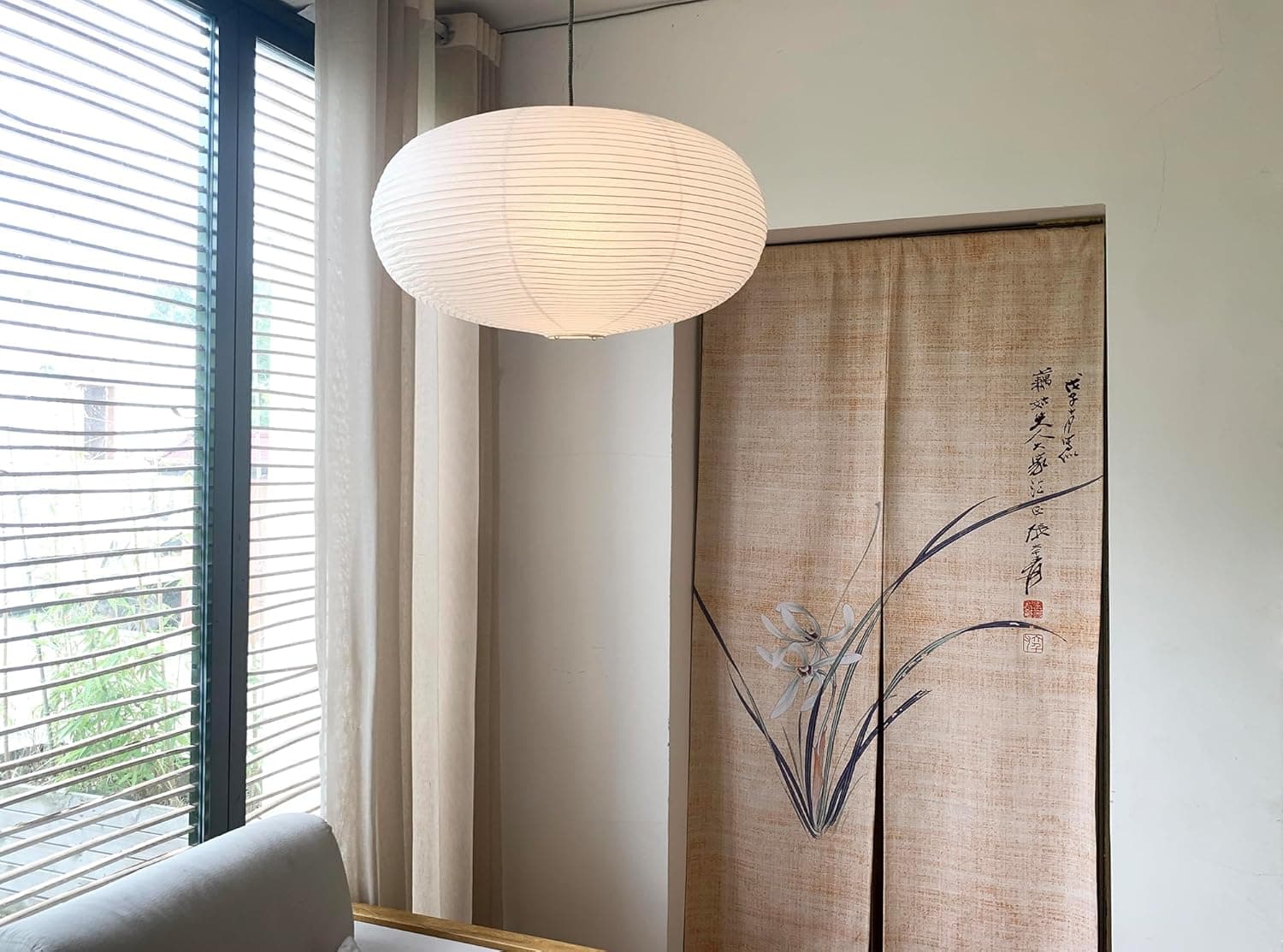
Light Without an Electrician
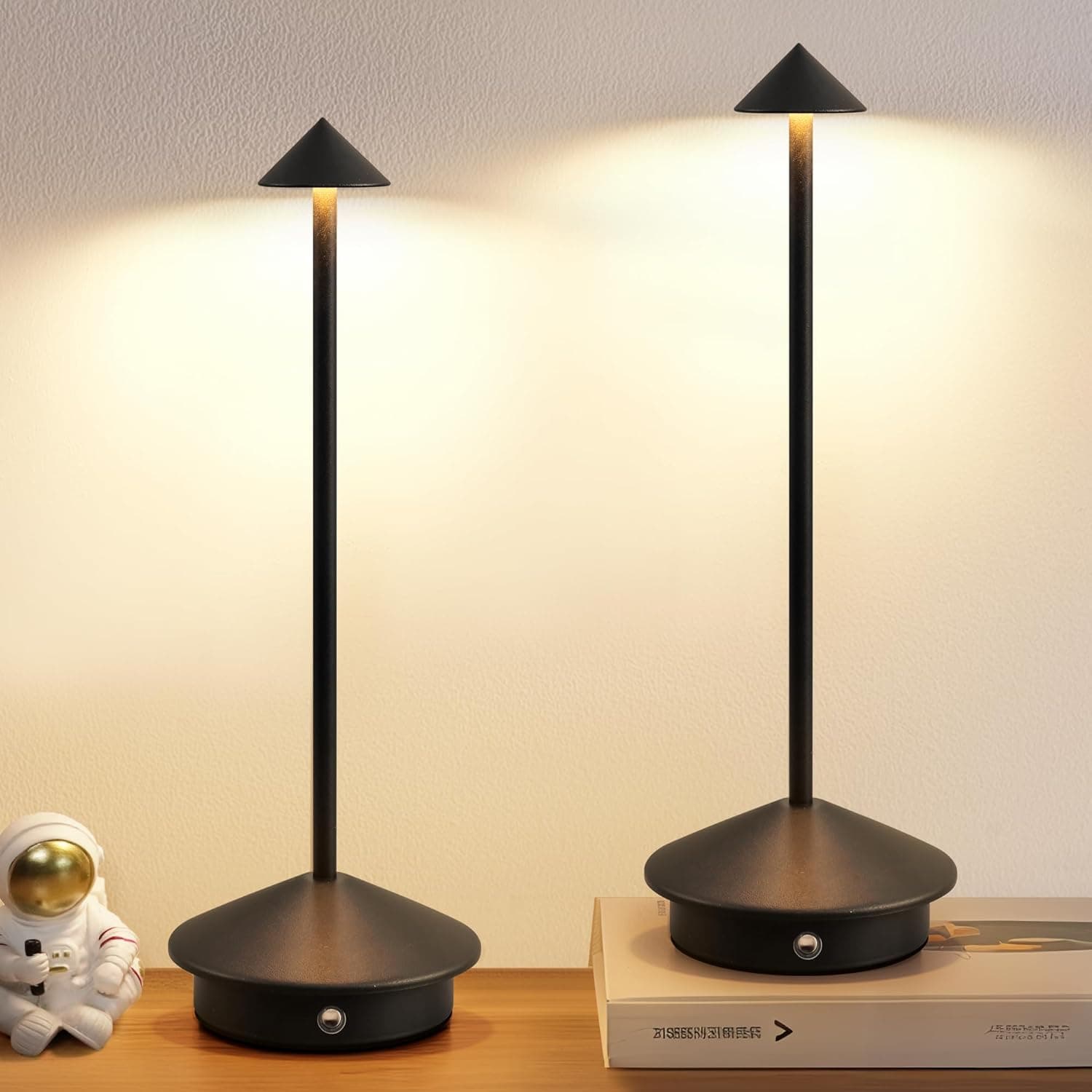
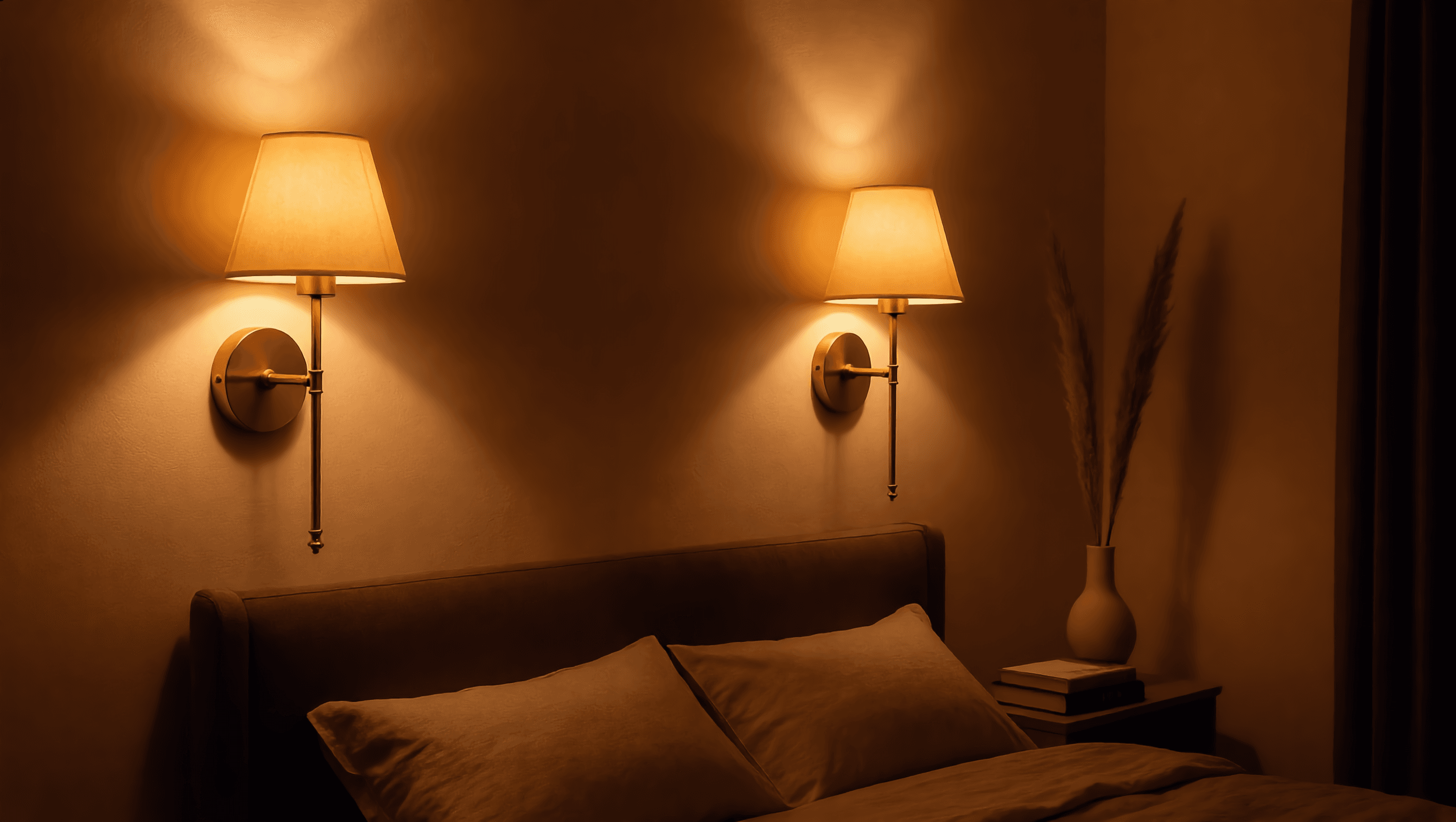
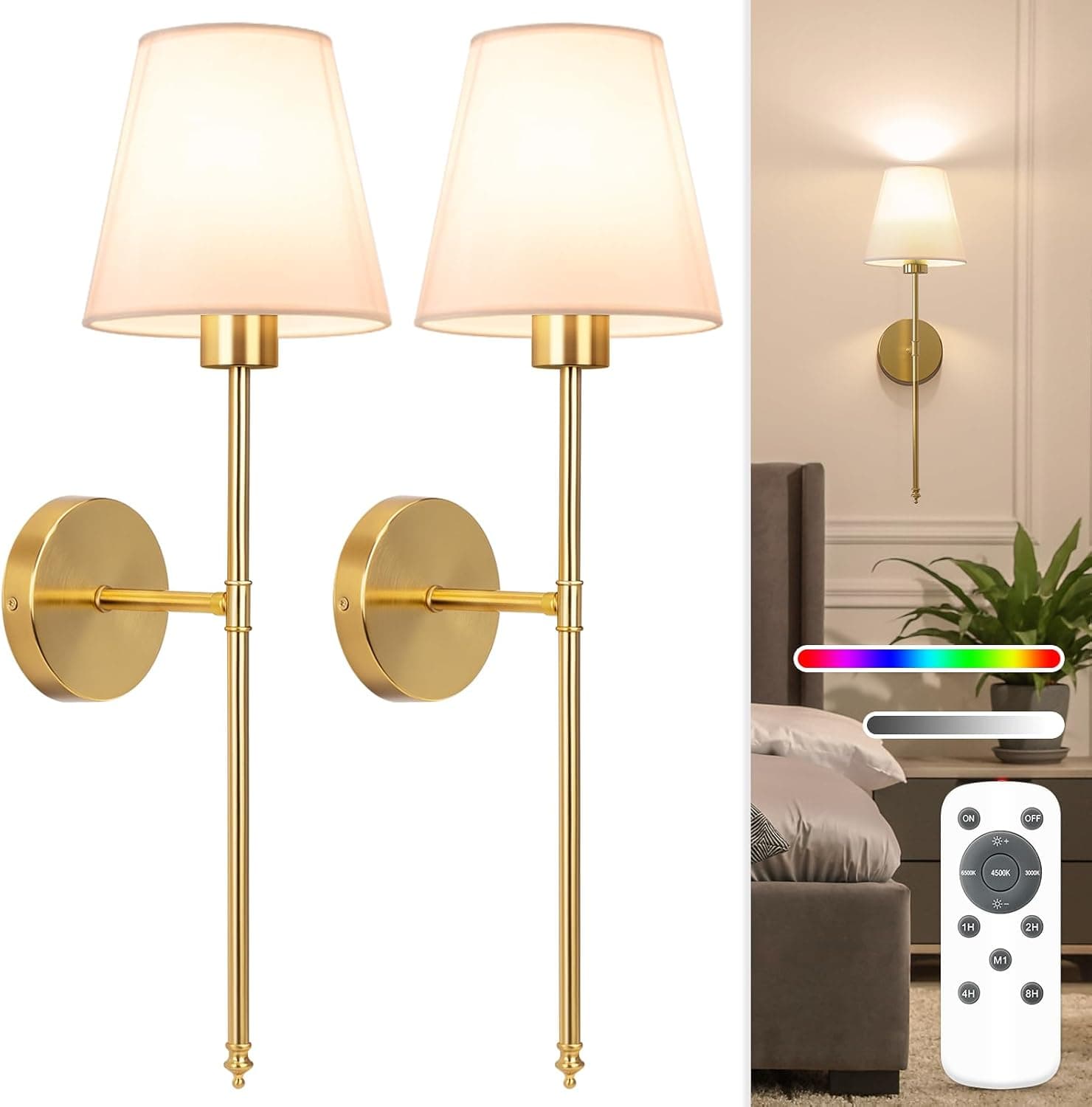
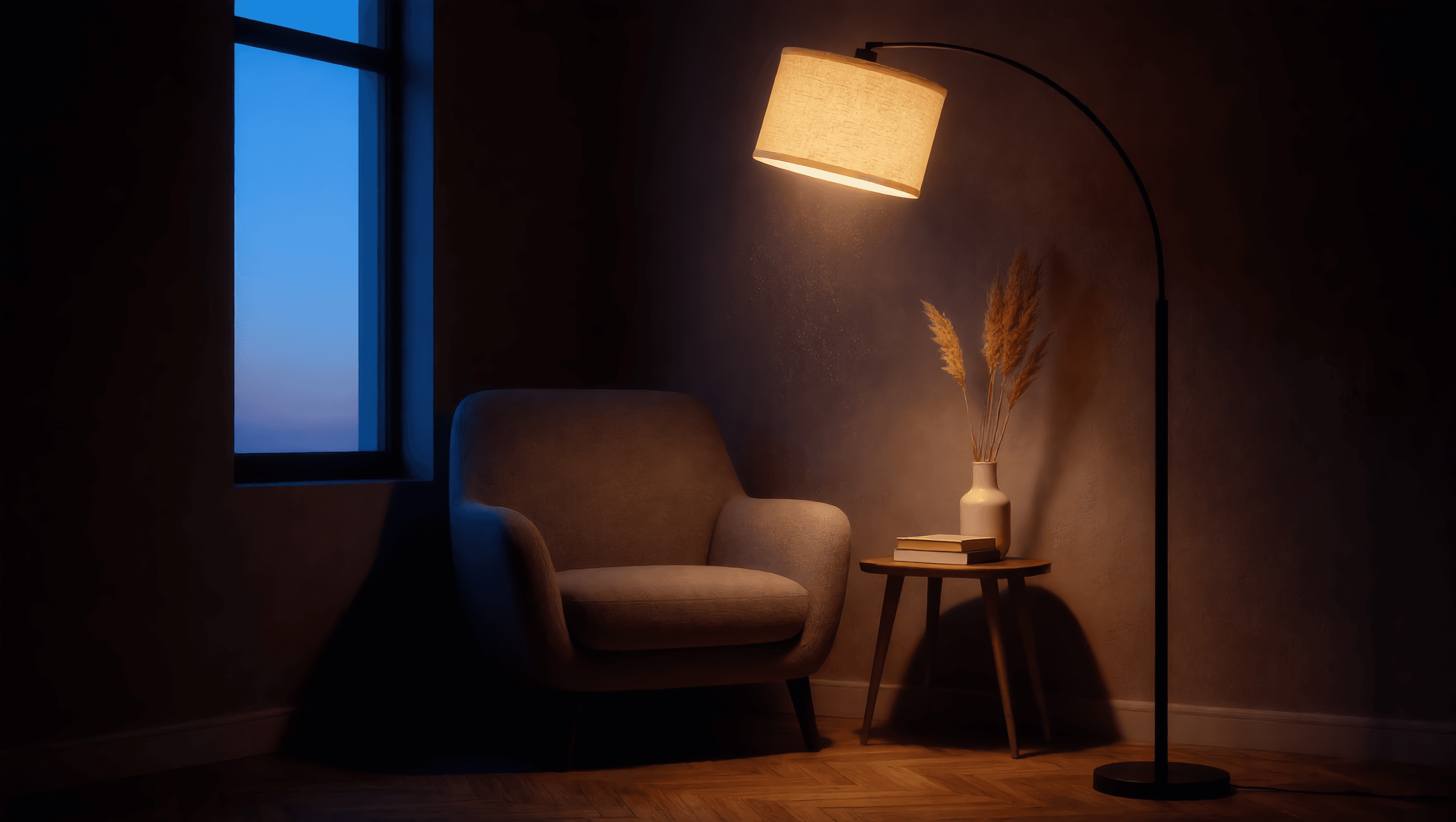
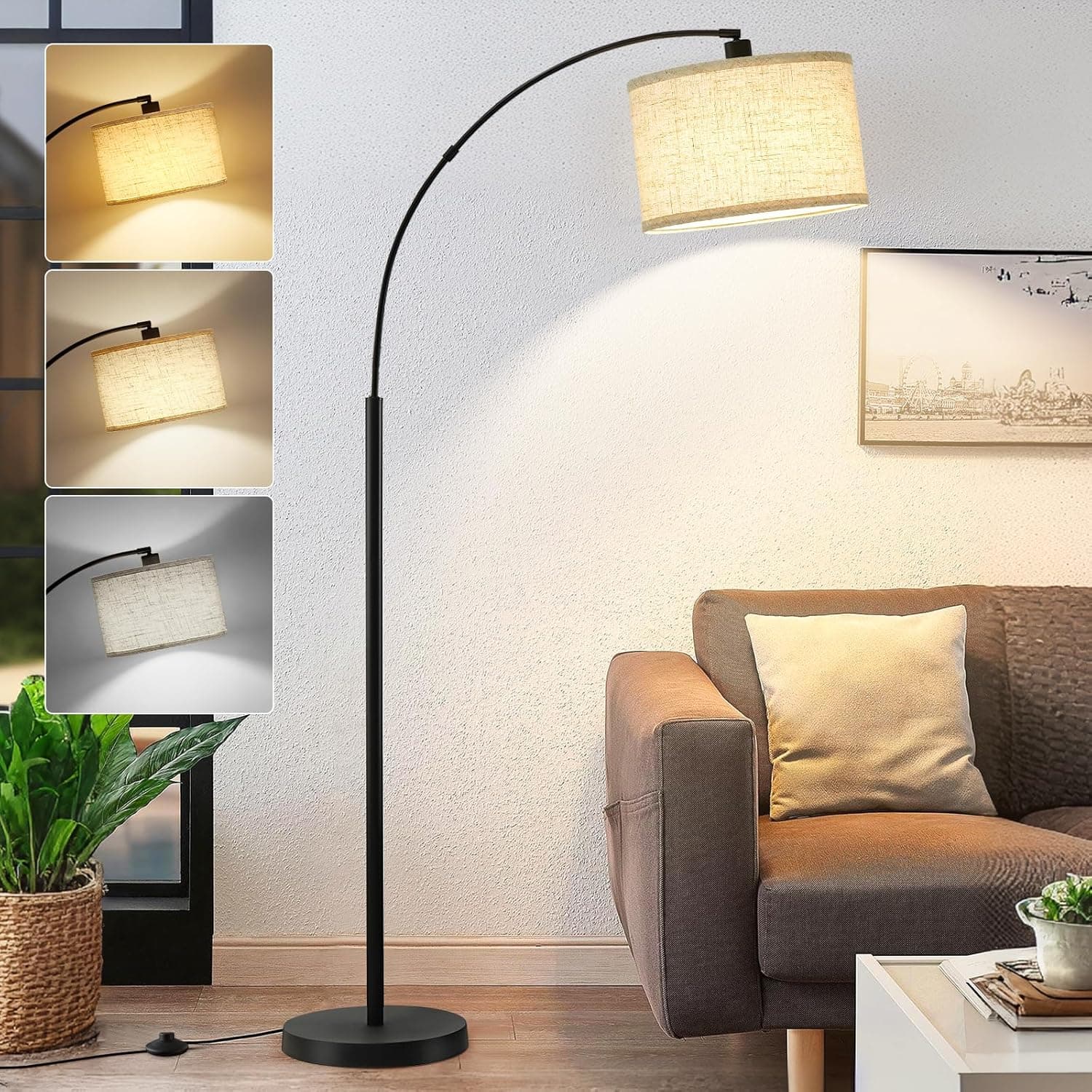
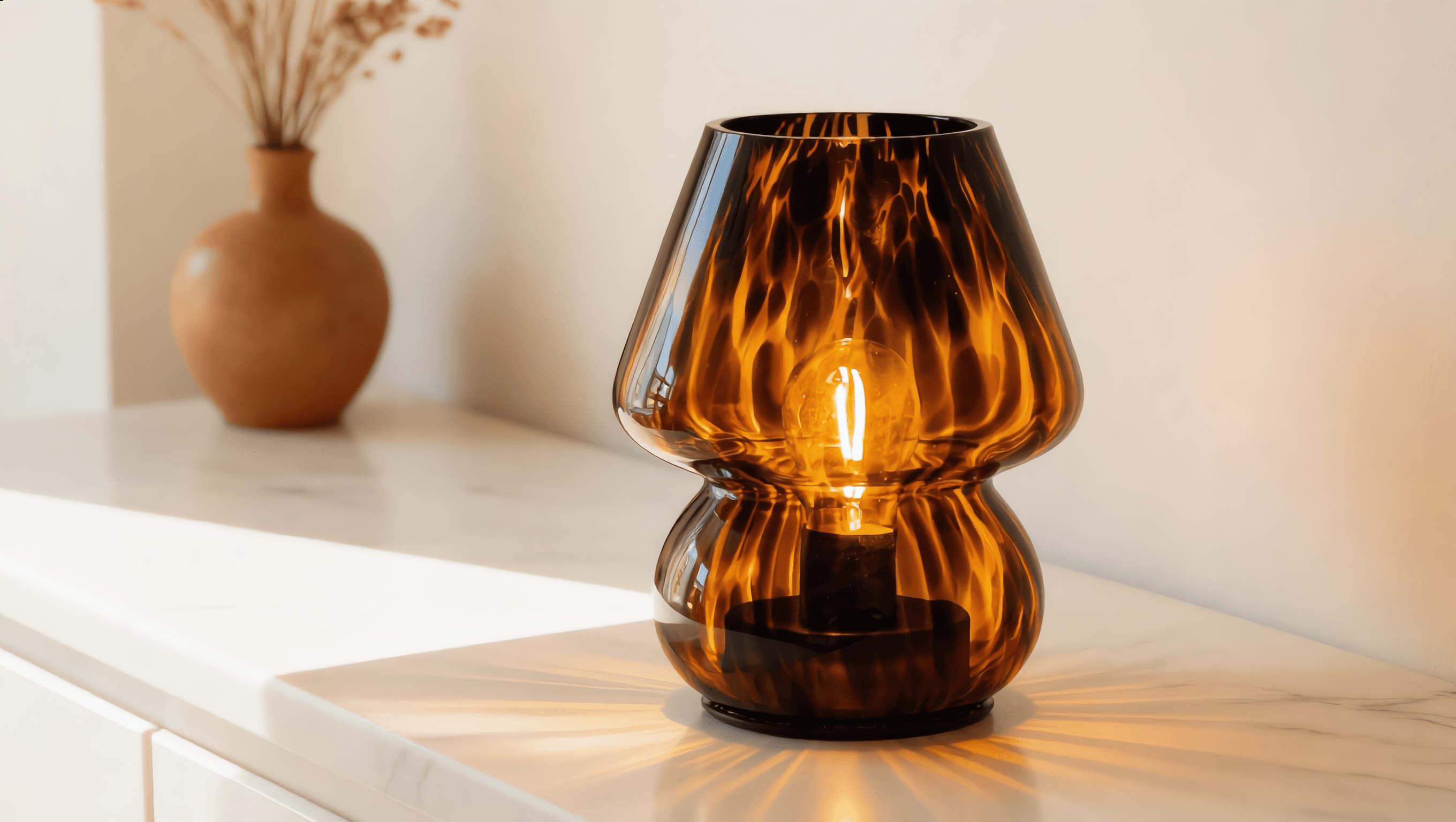
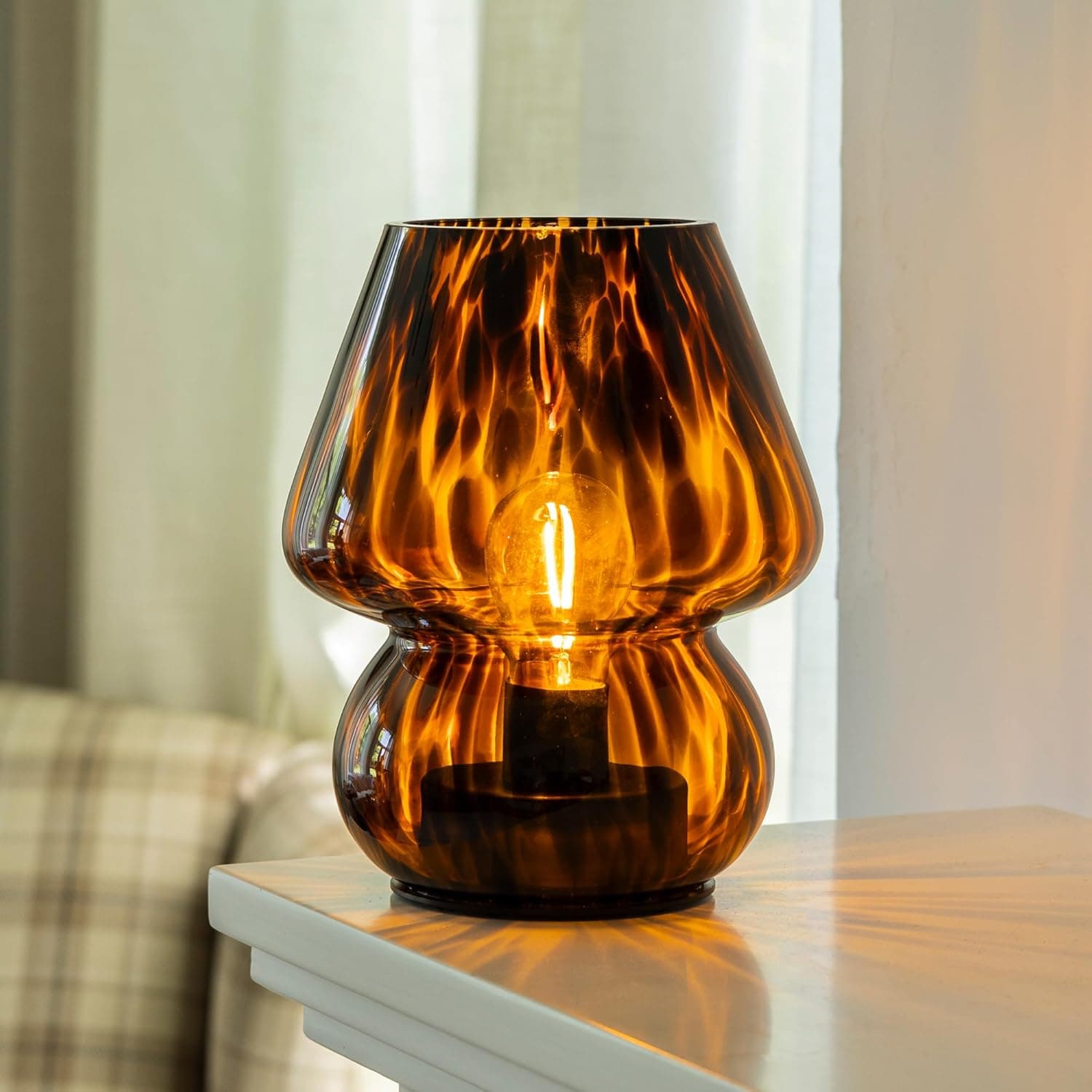
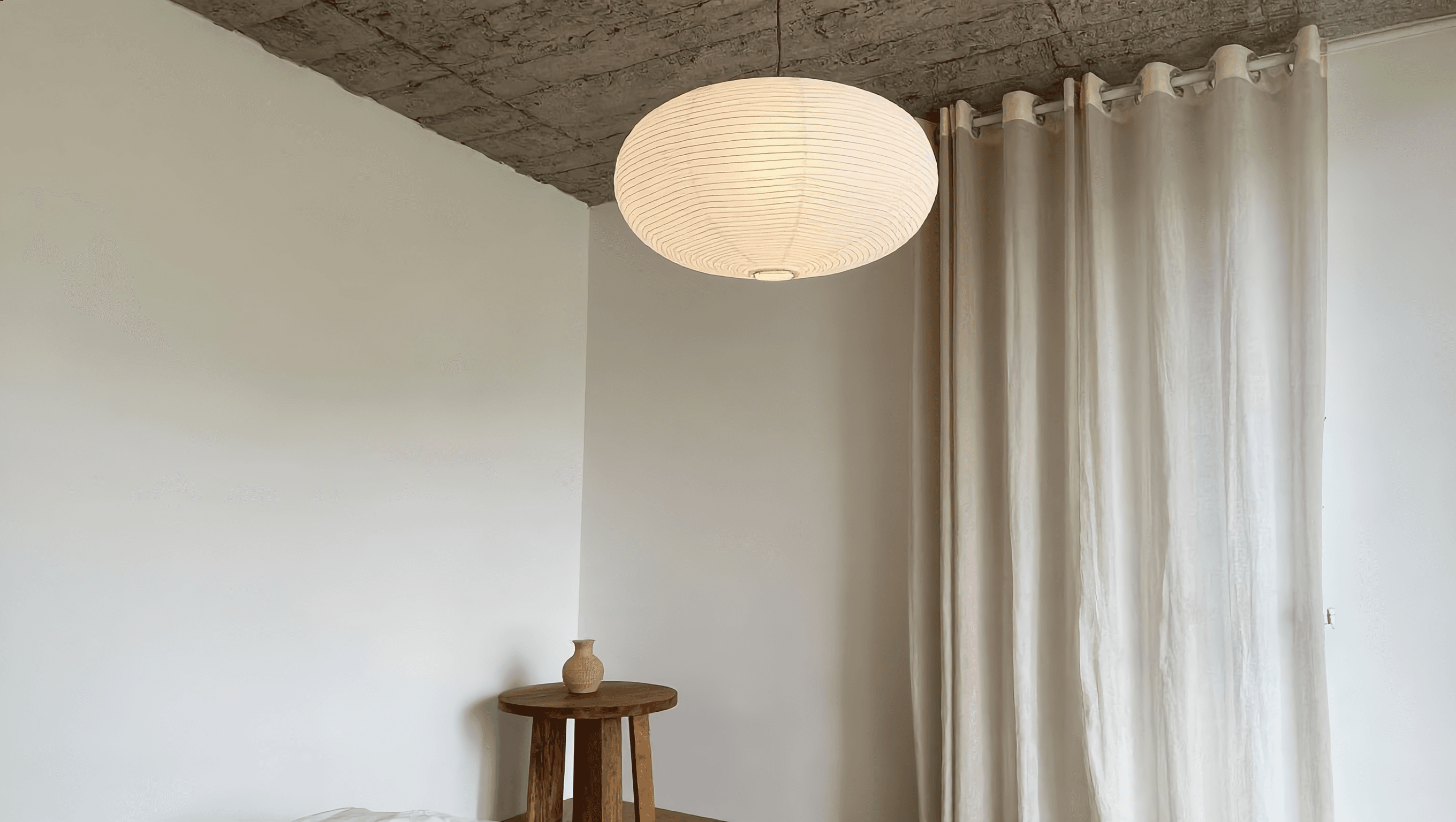
Warm light in the corner that has no outlet.
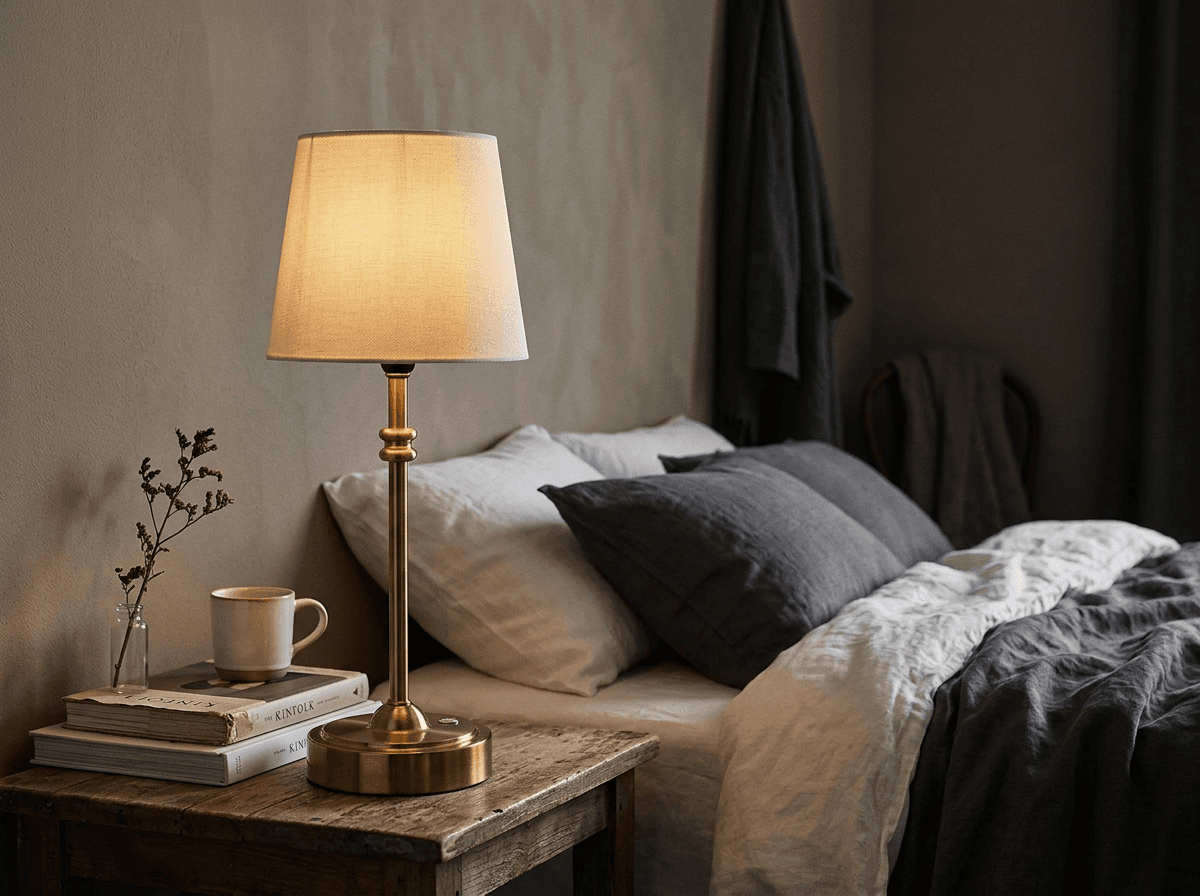
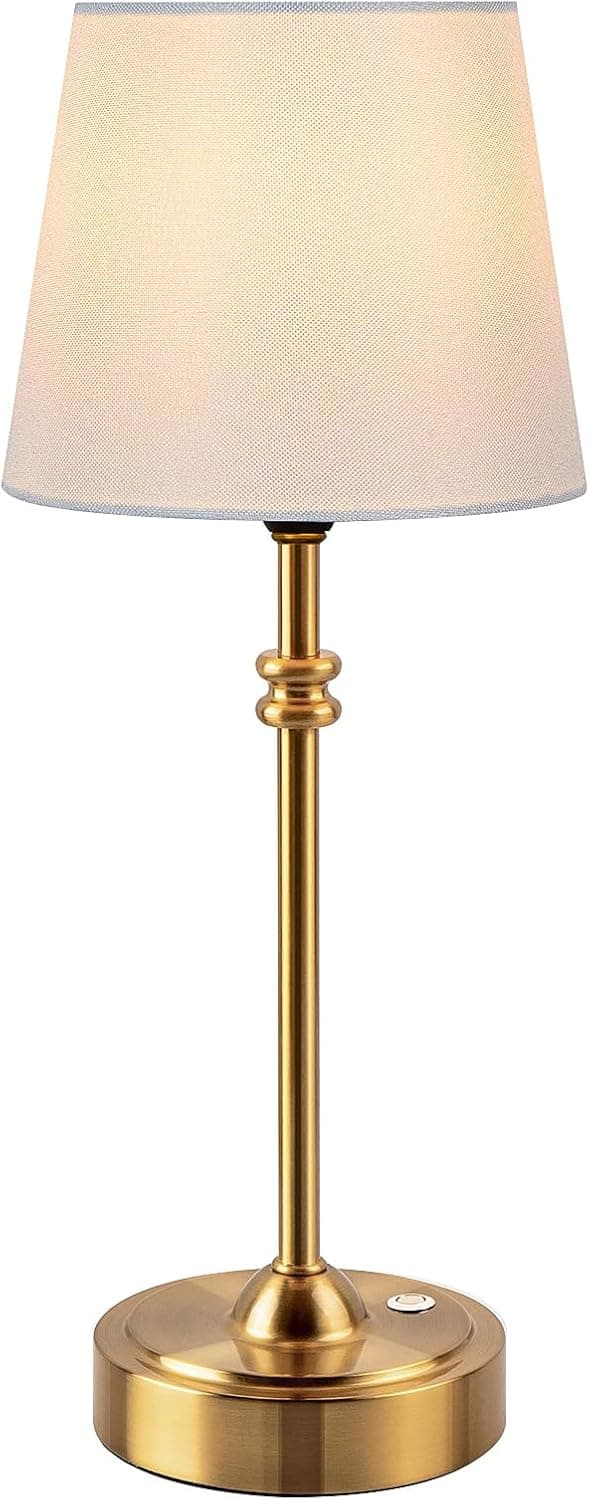
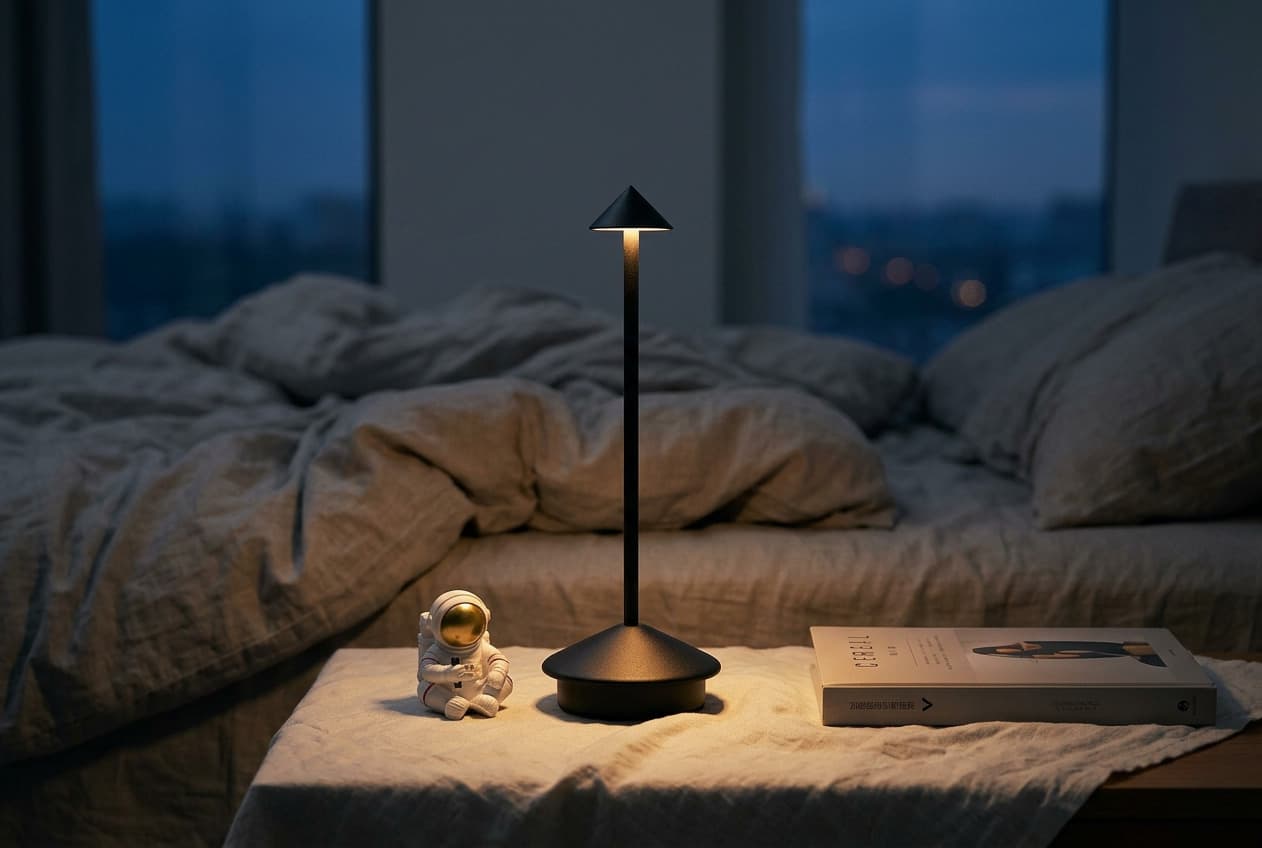
Lighting is the fastest way to change how an apartment feels and the hardest thing to change in a rental, because the good light is never where the outlets are. Everything here runs on a battery or plugs into what you already have. The cordless lamps go on a shelf, a windowsill, or the middle of a table with nothing trailing behind them. The sconces mount with adhesive strips first, so you can live with a height for a week before you commit to anything more permanent. The paper pendant swaps onto an existing fixture and hides the bare bulb most rentals come with. Warm bulbs throughout, around 2700K, which is the number that makes a beige box read as somewhere you live.
Storage That Just Sits There
Vertical space without a single wall anchor.
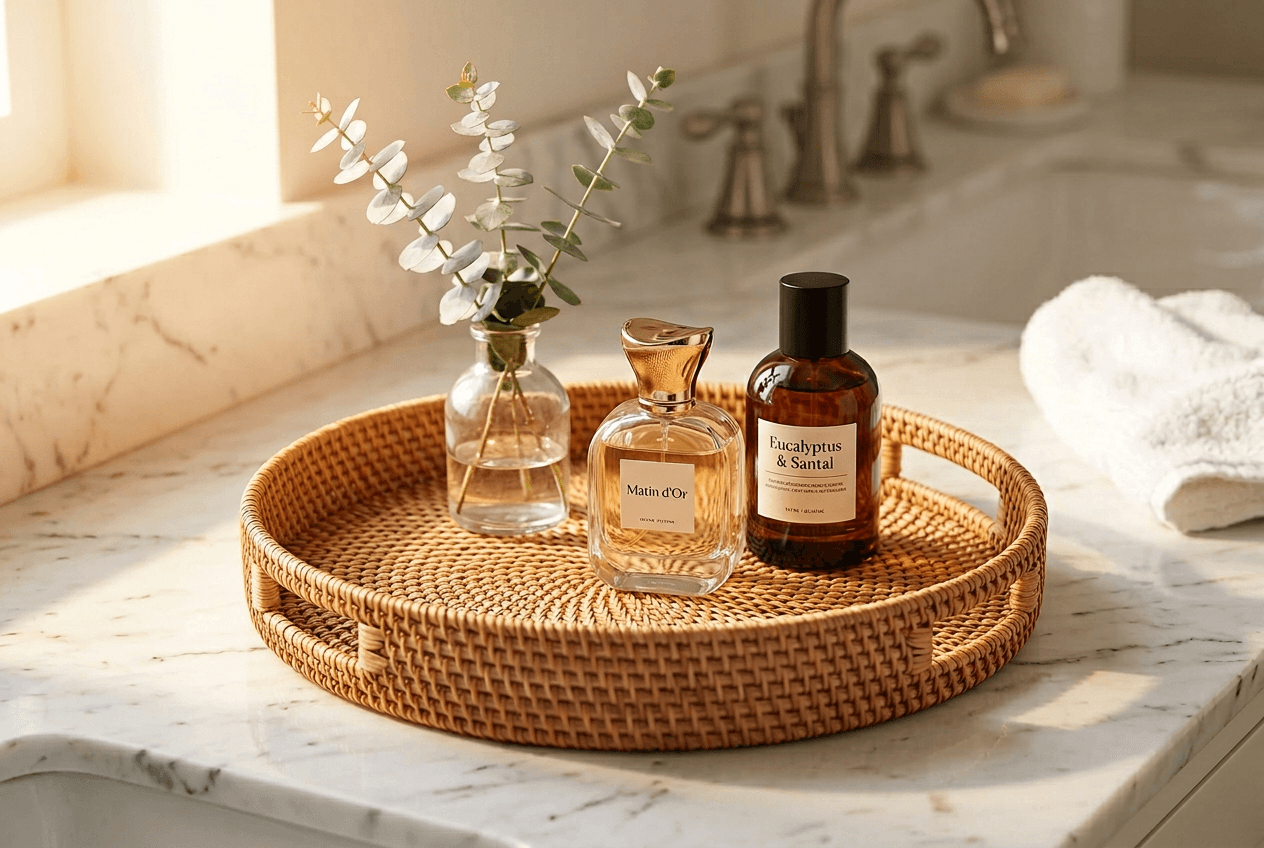
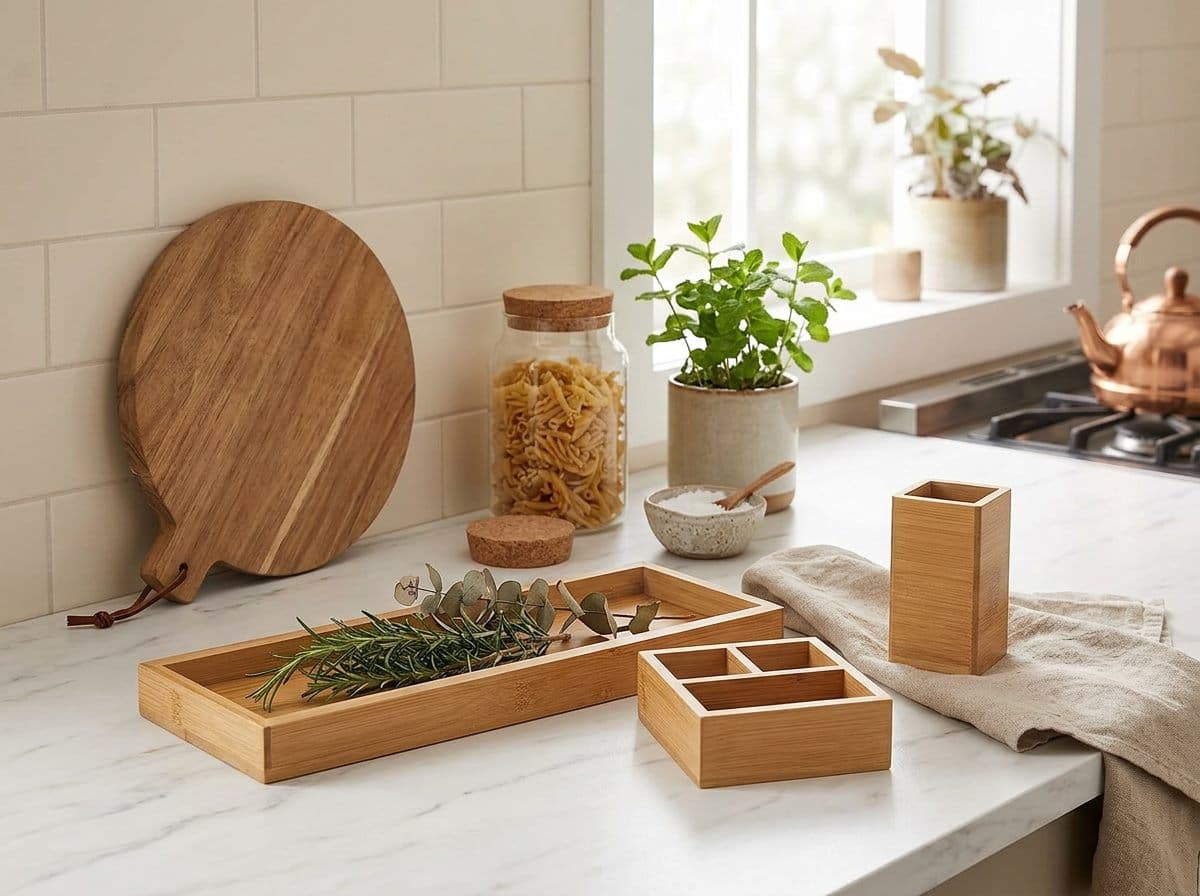
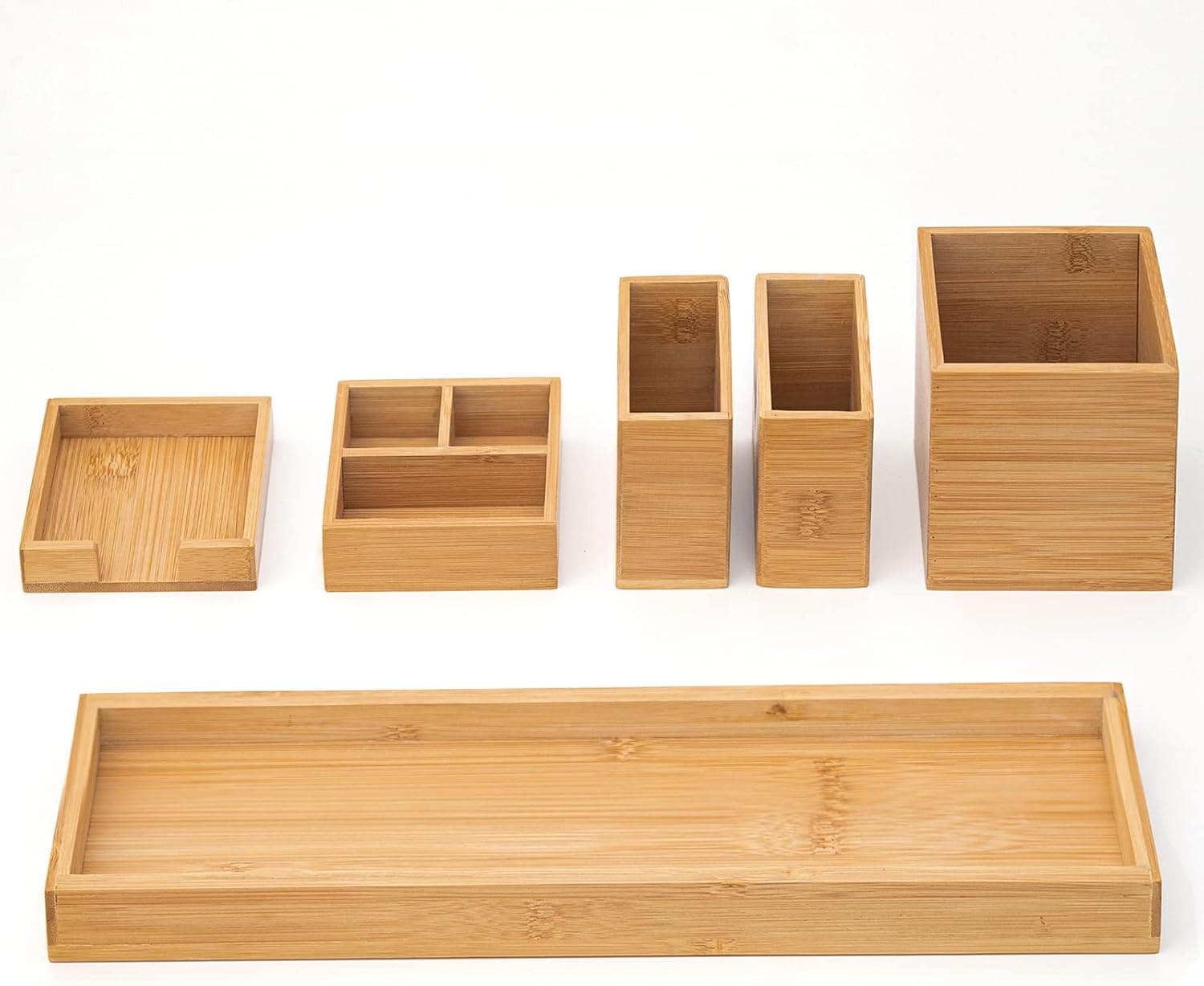
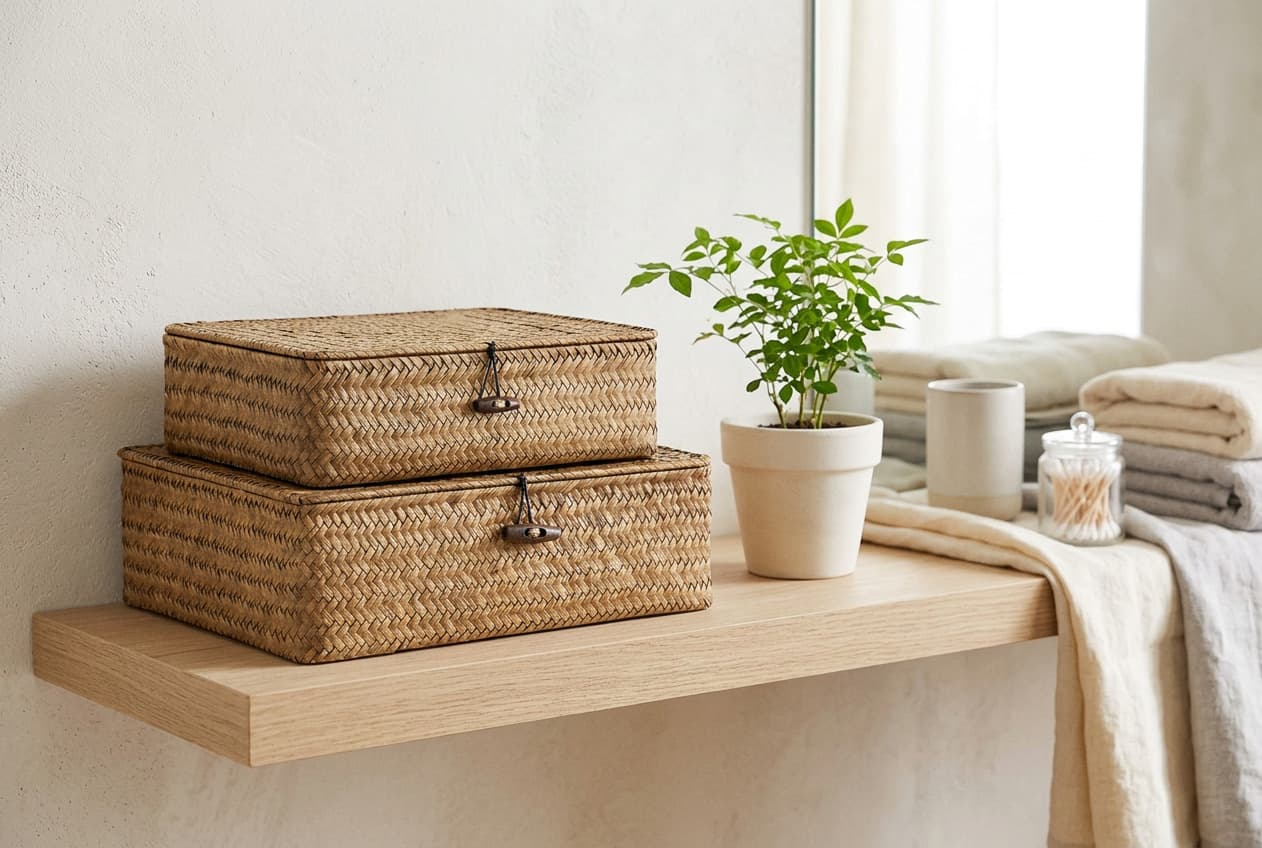
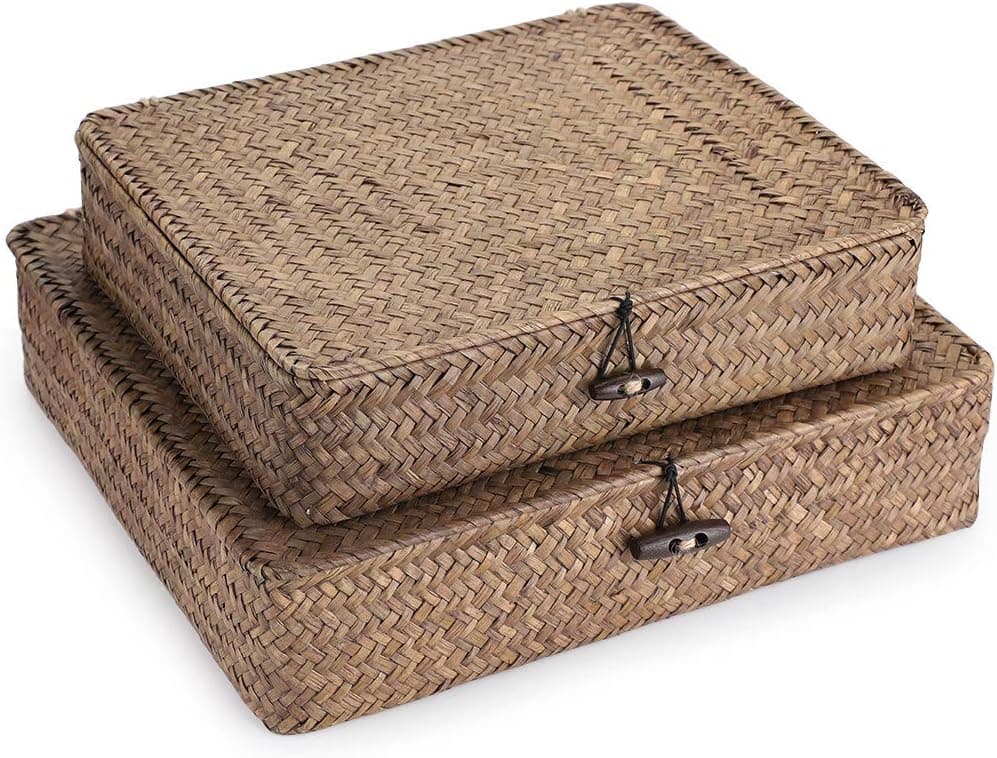
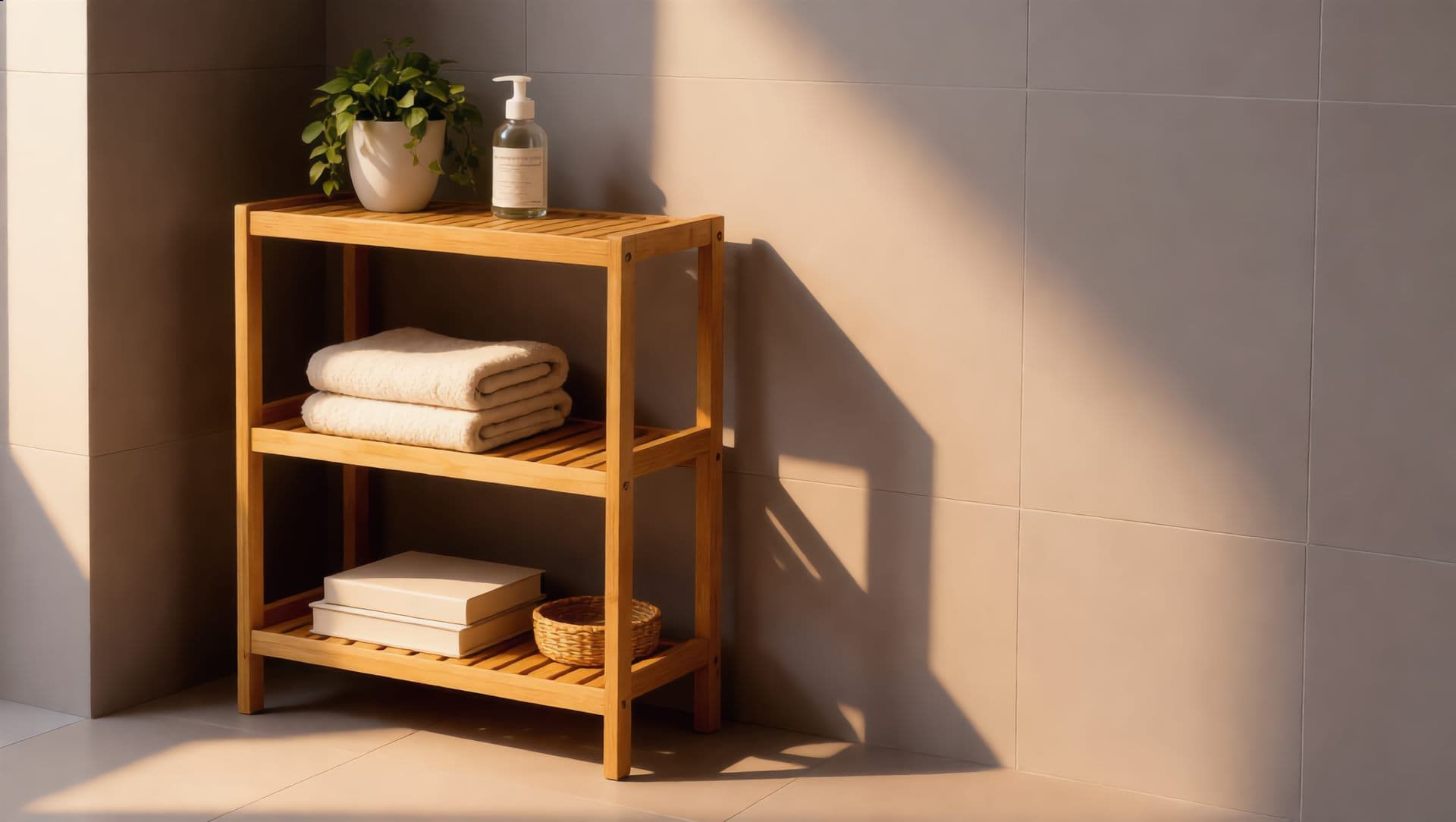
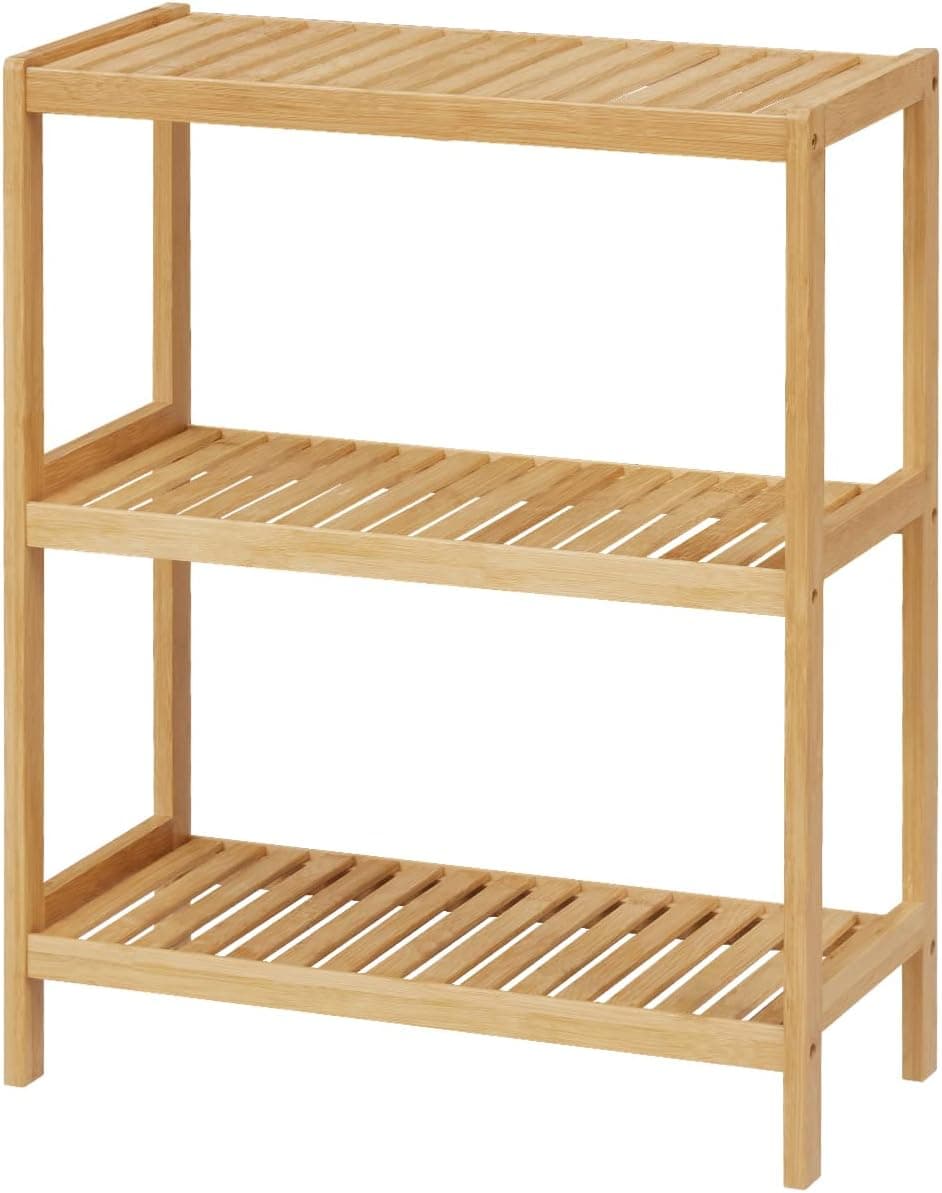
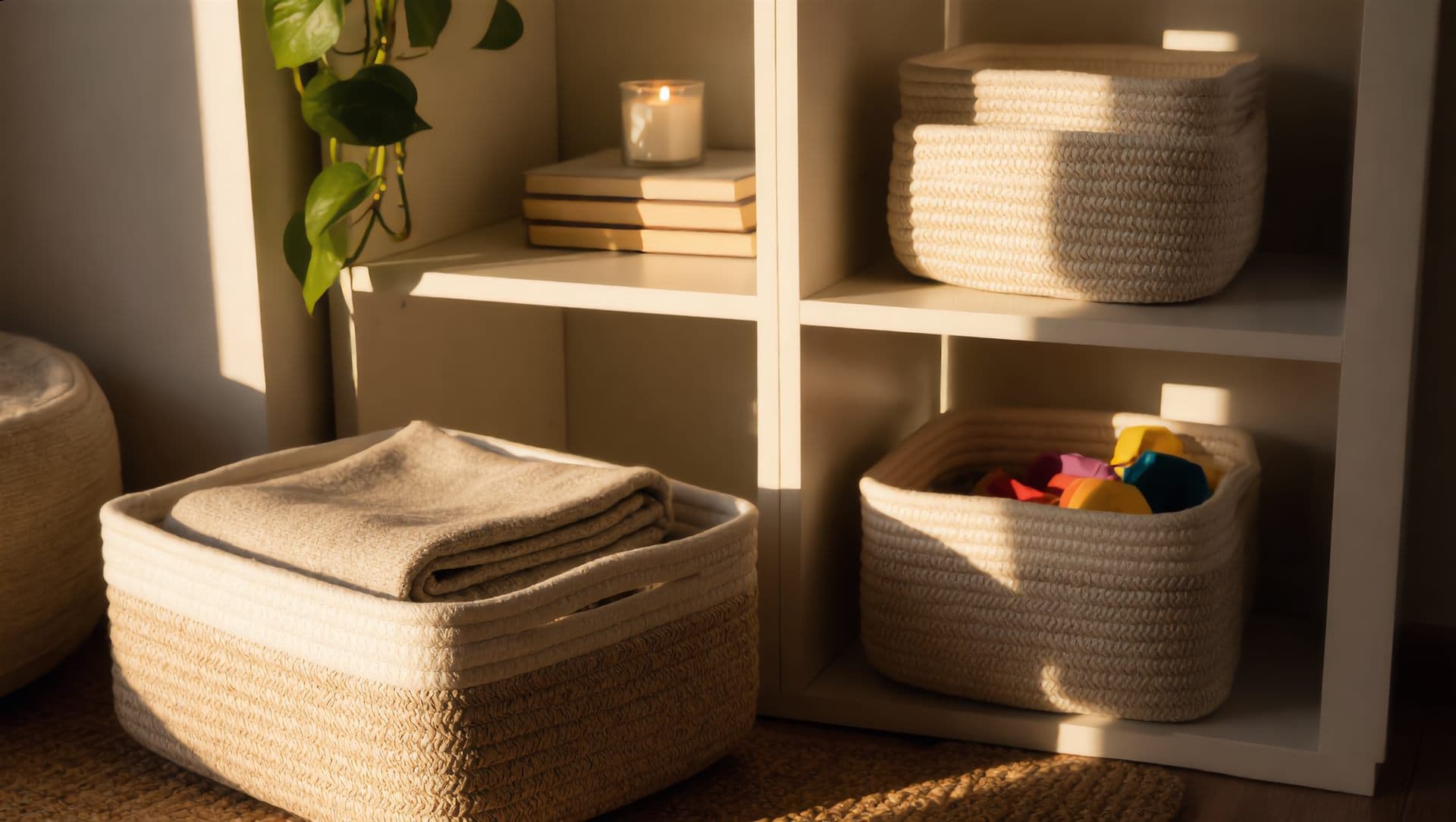
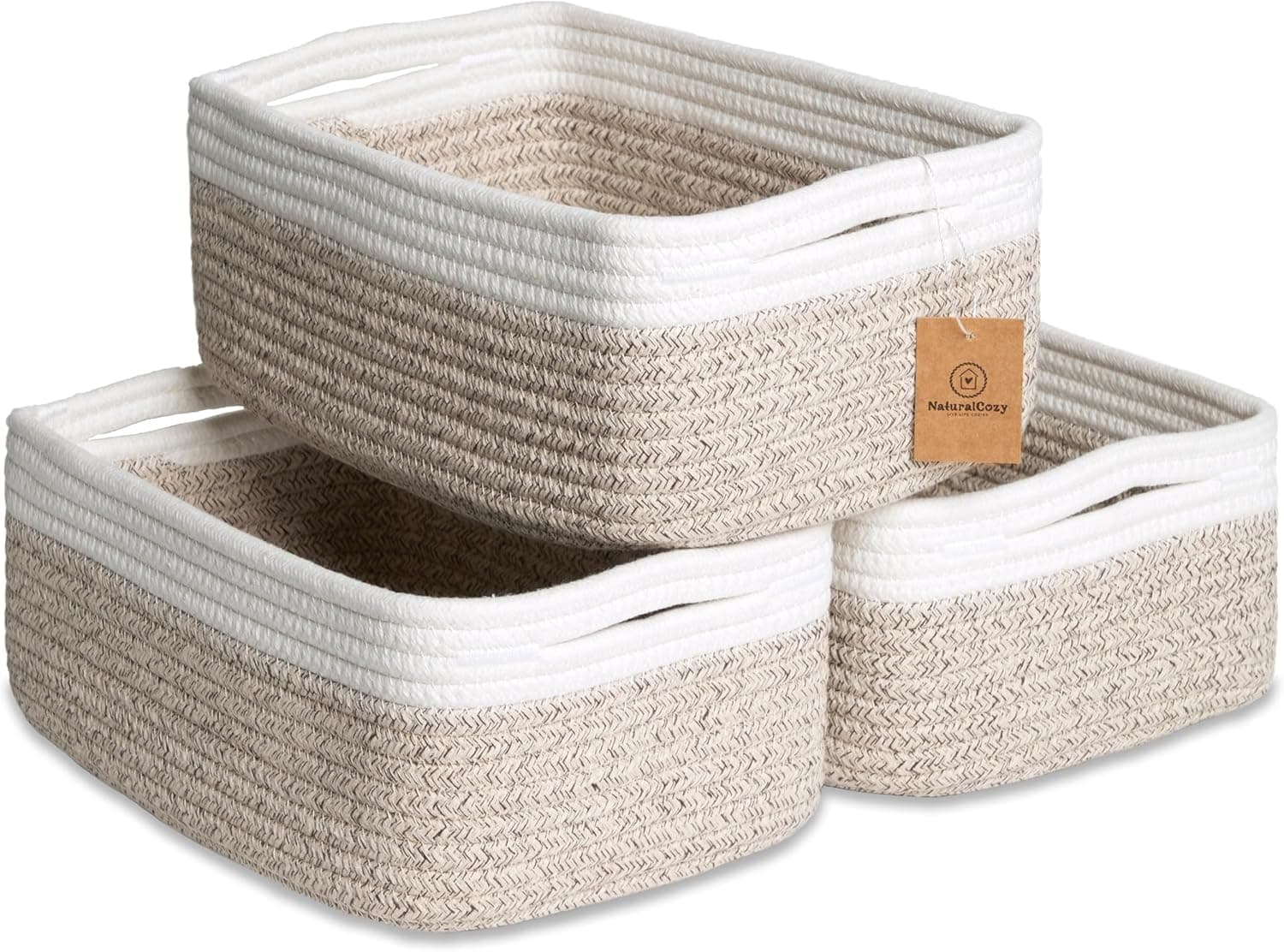
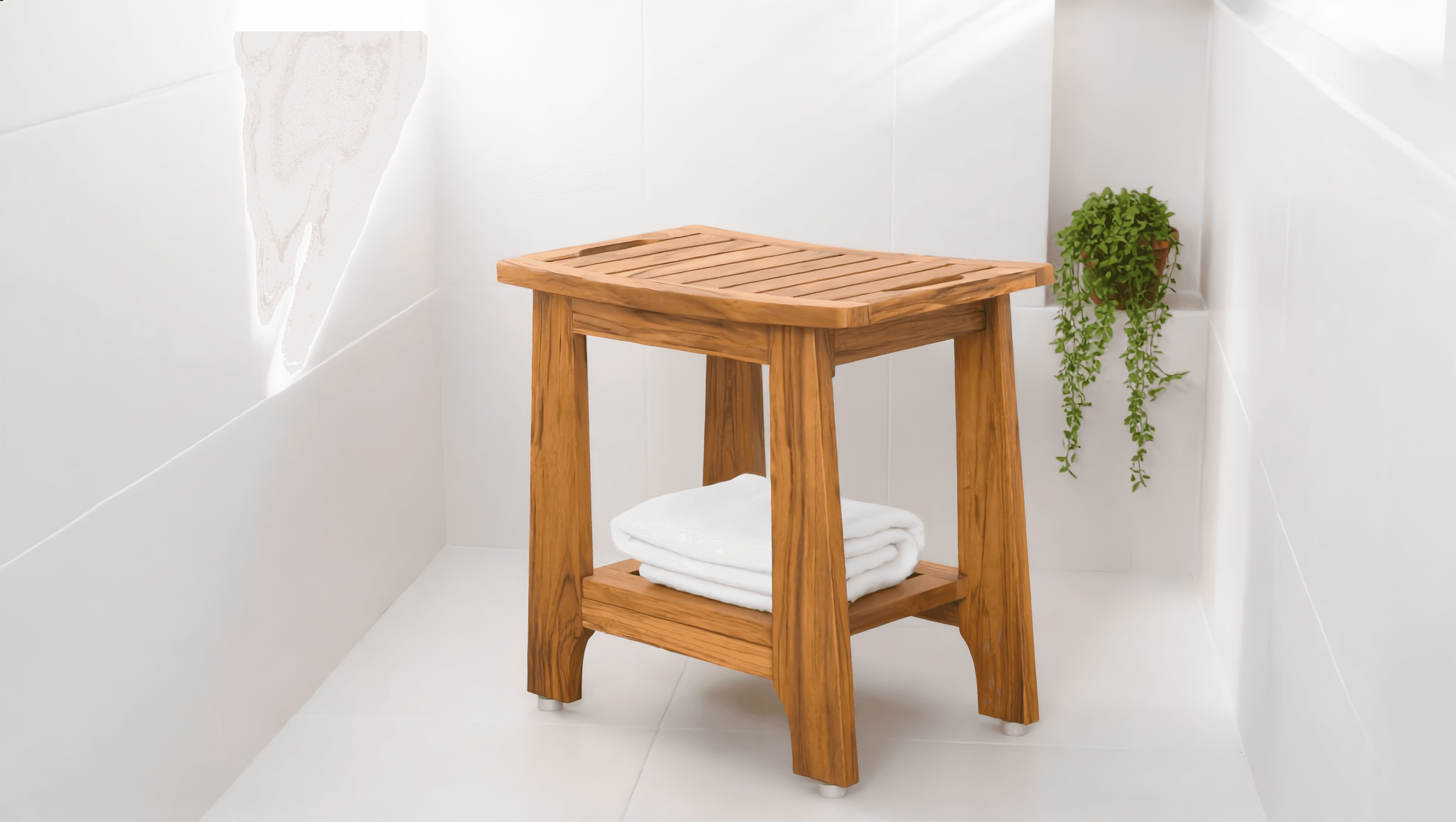
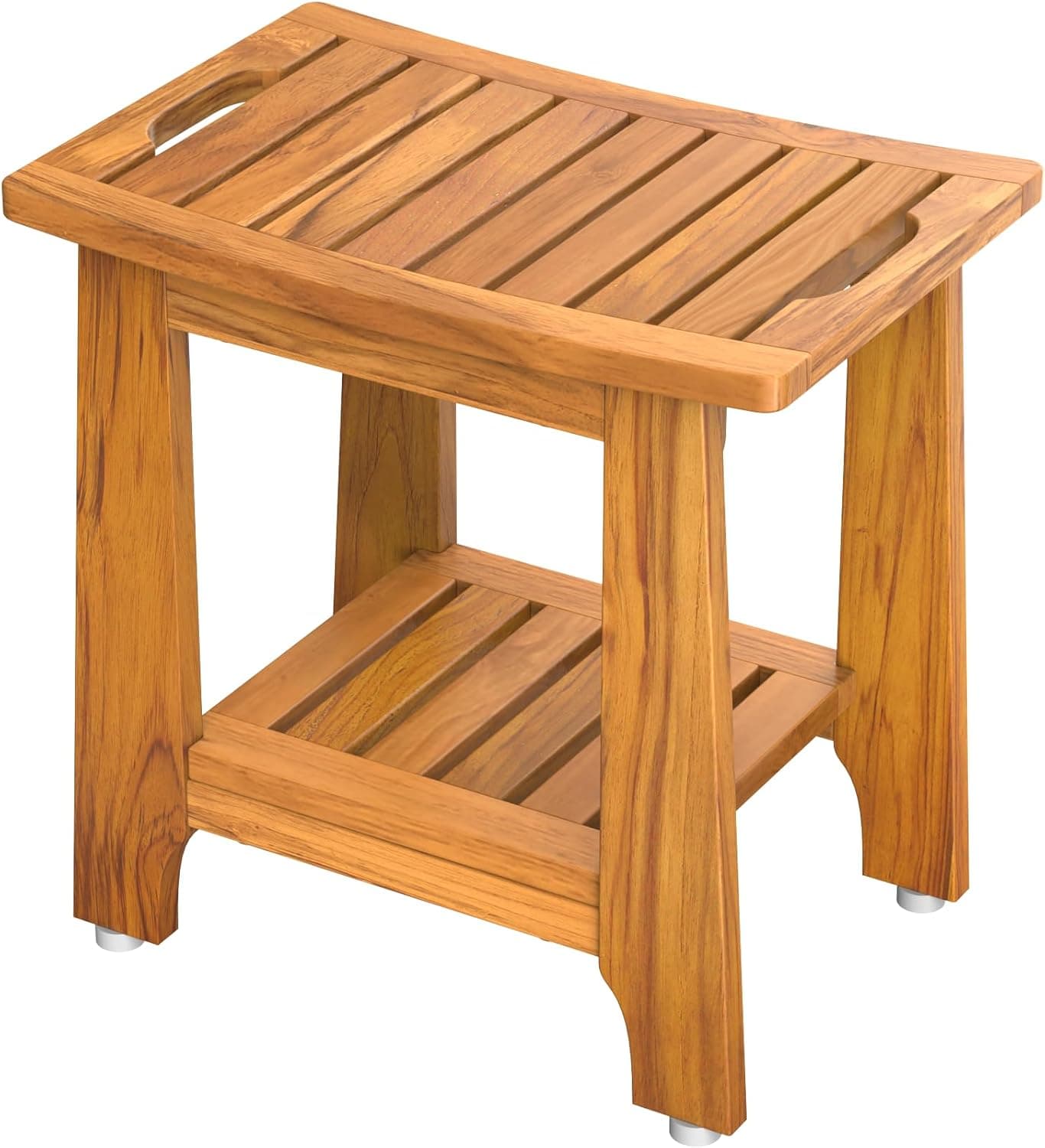
The standard rental problem is too little storage and no permission to add any. These all solve it by standing up on their own. A slatted bamboo shelf fits a corner and lets light through, so a small room doesn't close in around it. Lidded baskets stack, which turns one shelf into two levels and hides the cables and clutter that otherwise sit out. The trays and organizers do the same job on a horizontal surface: they give the mess an edge to sit inside, which is most of what makes a counter look deliberate. All of it moves in an afternoon and leaves nothing behind but the space it was standing in.



The Layer You Take With You
Covering the floor, the window, and whatever the landlord chose.
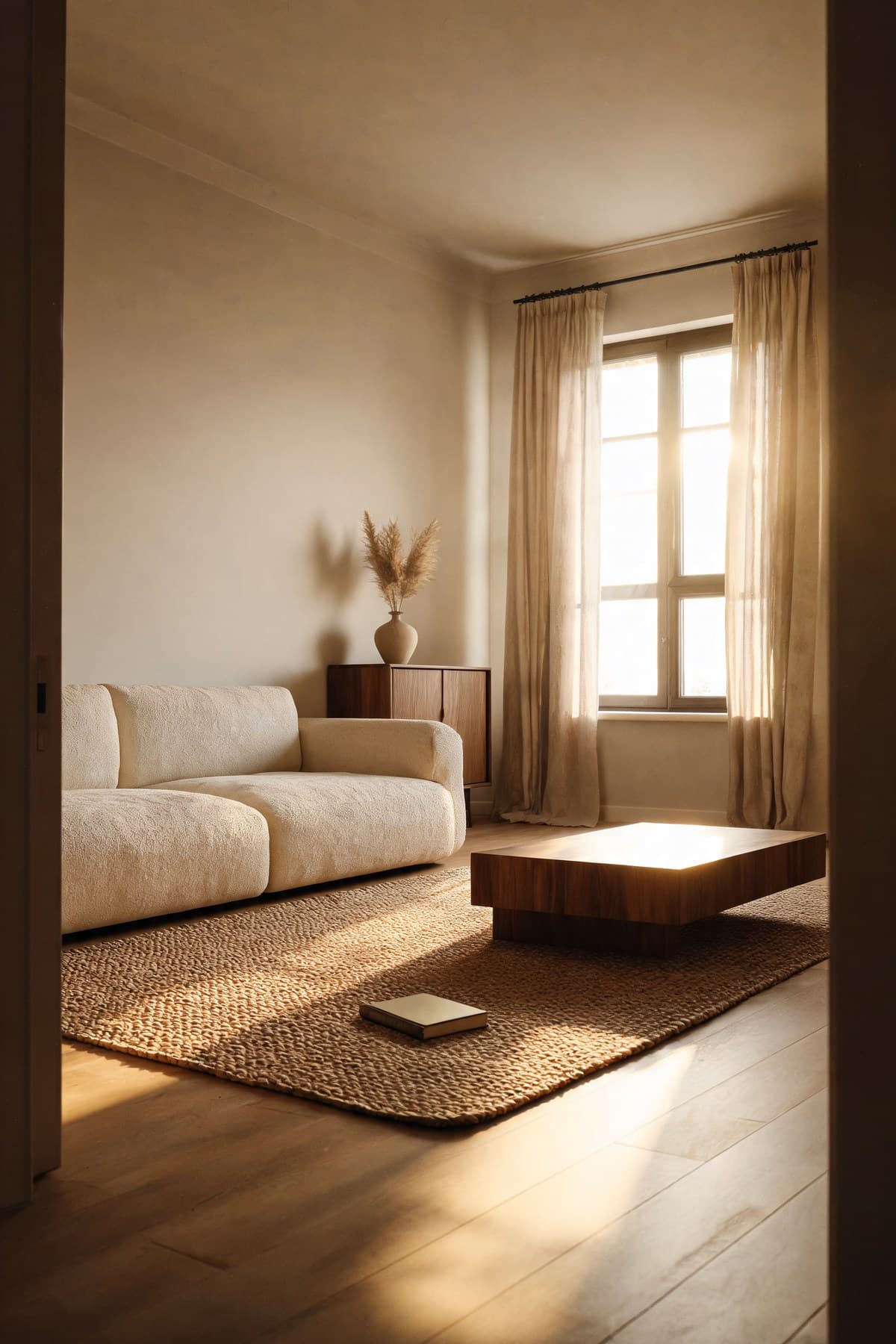
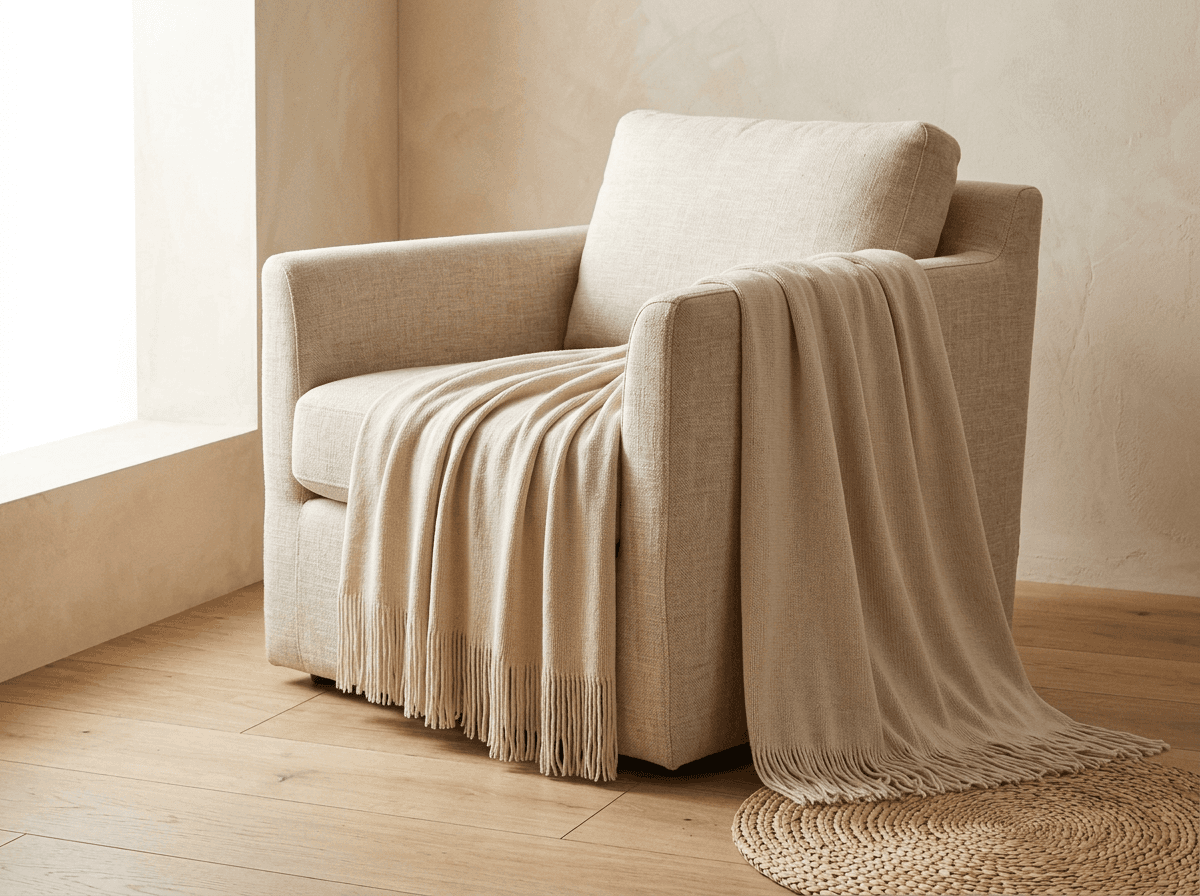
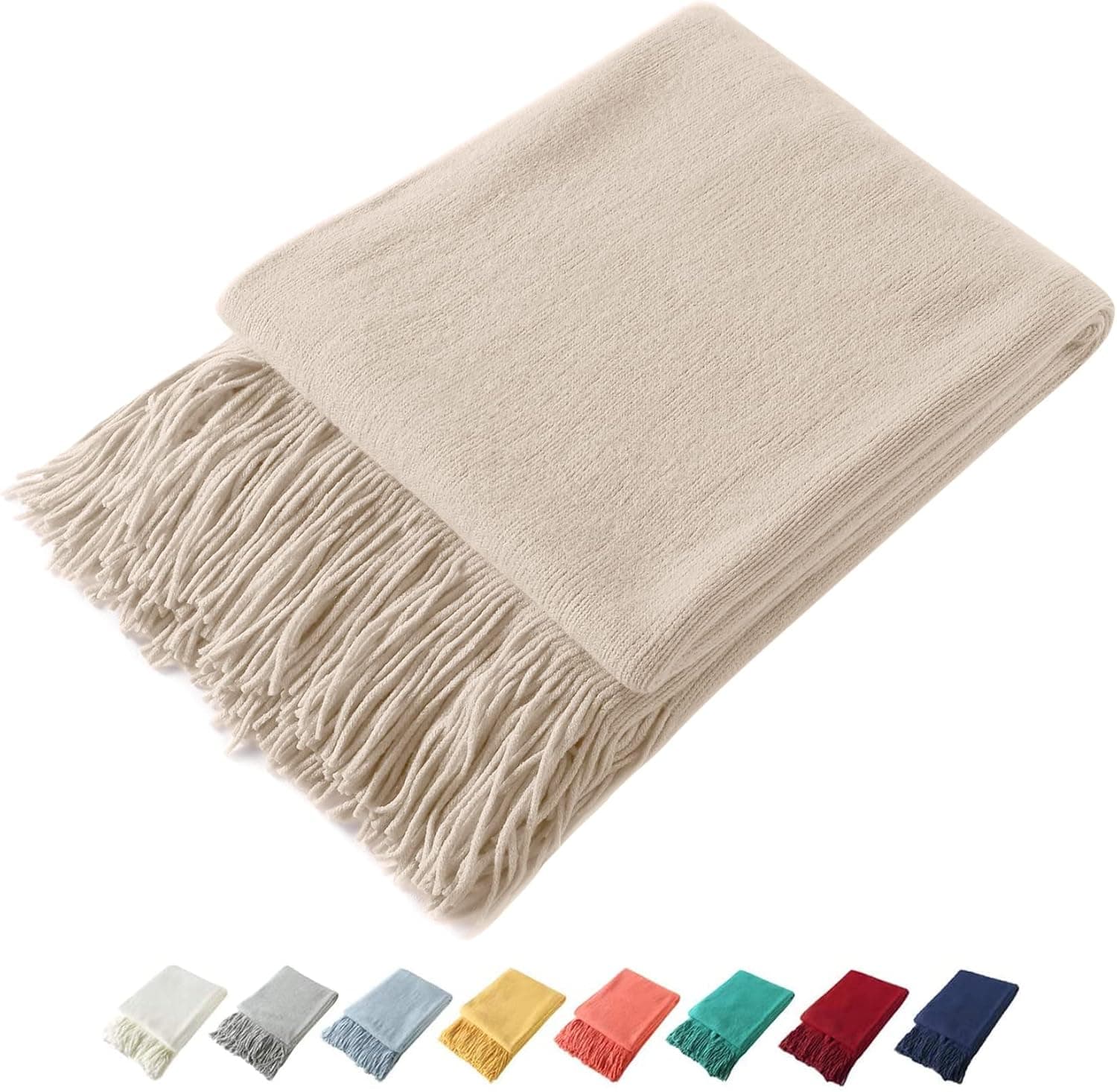
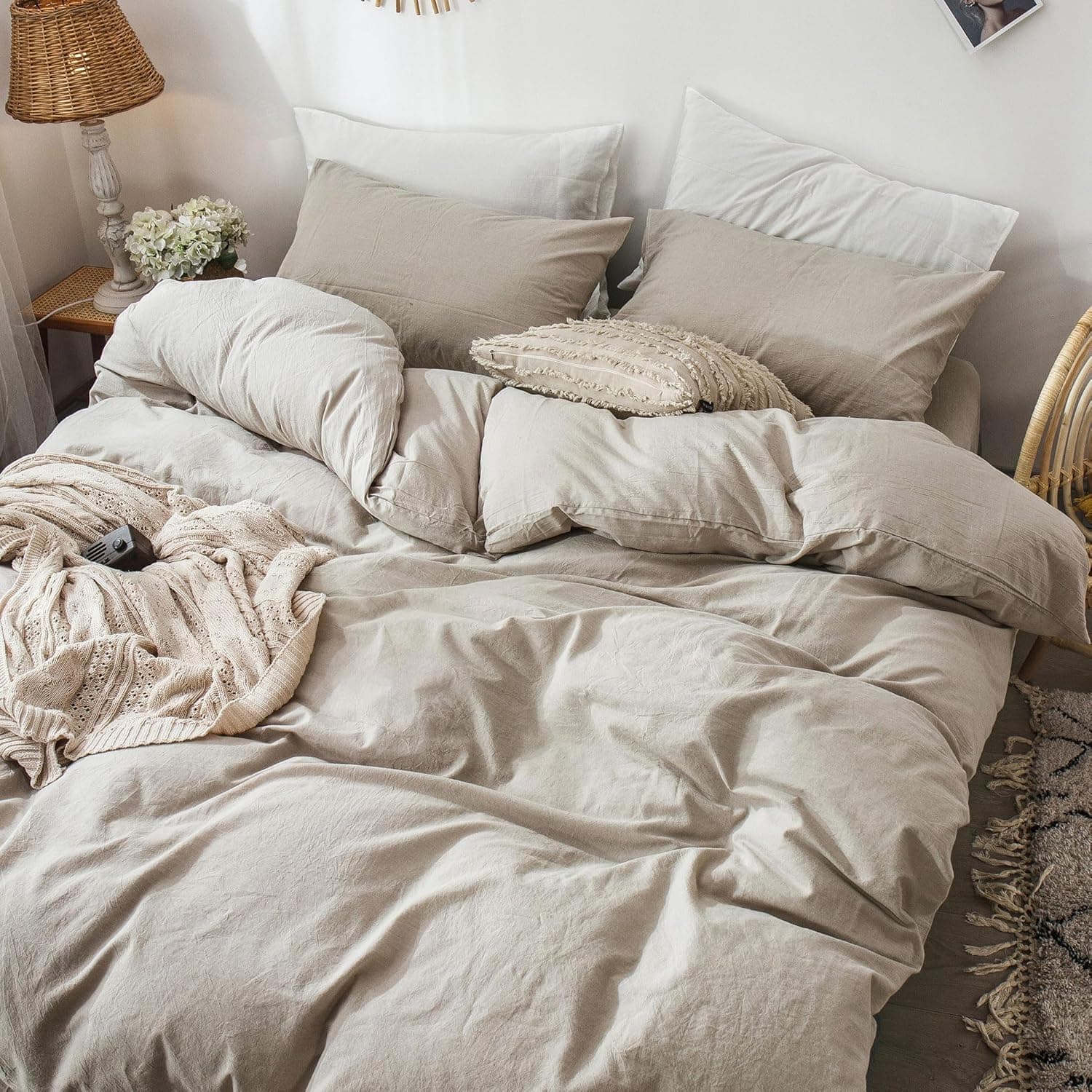
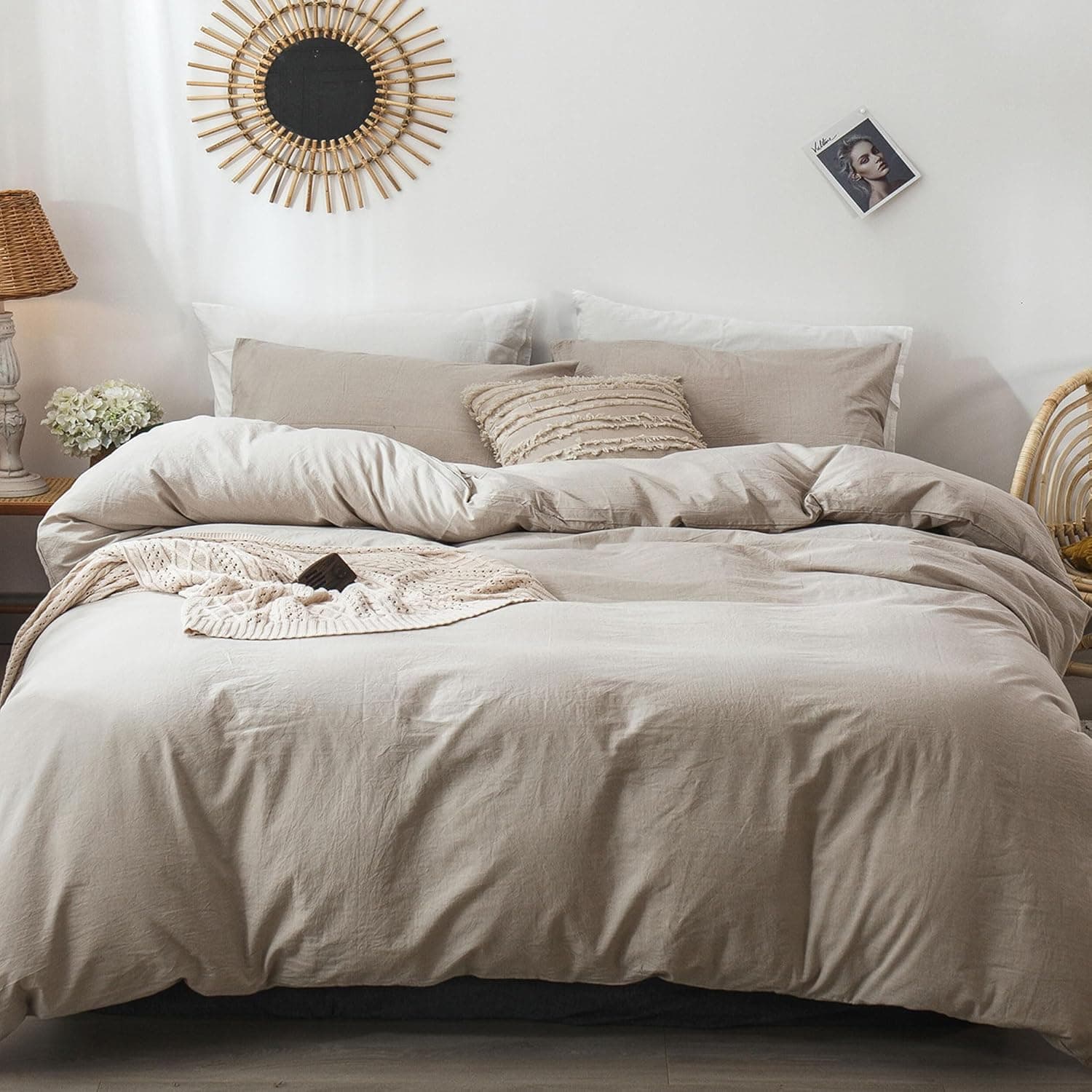
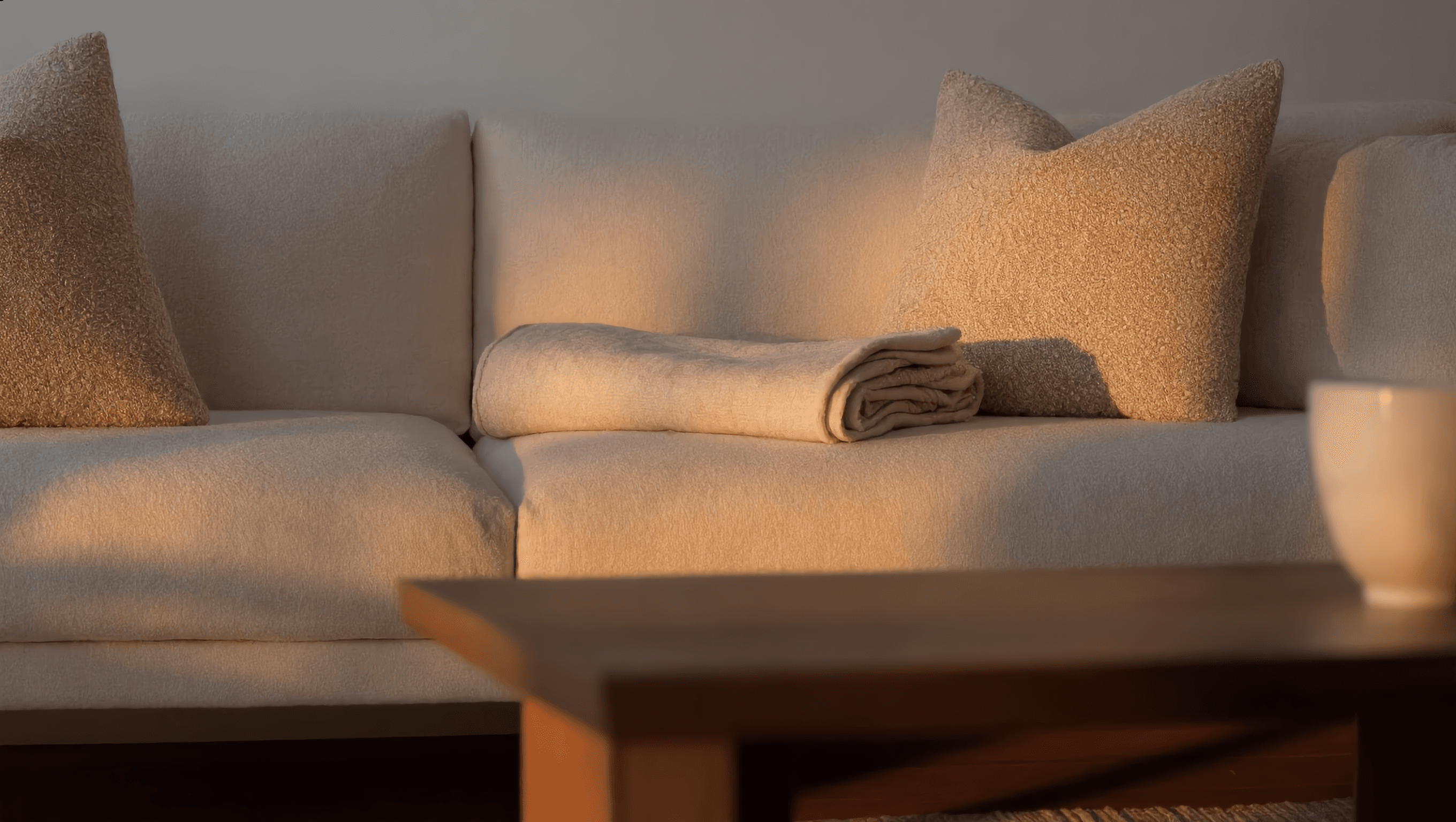
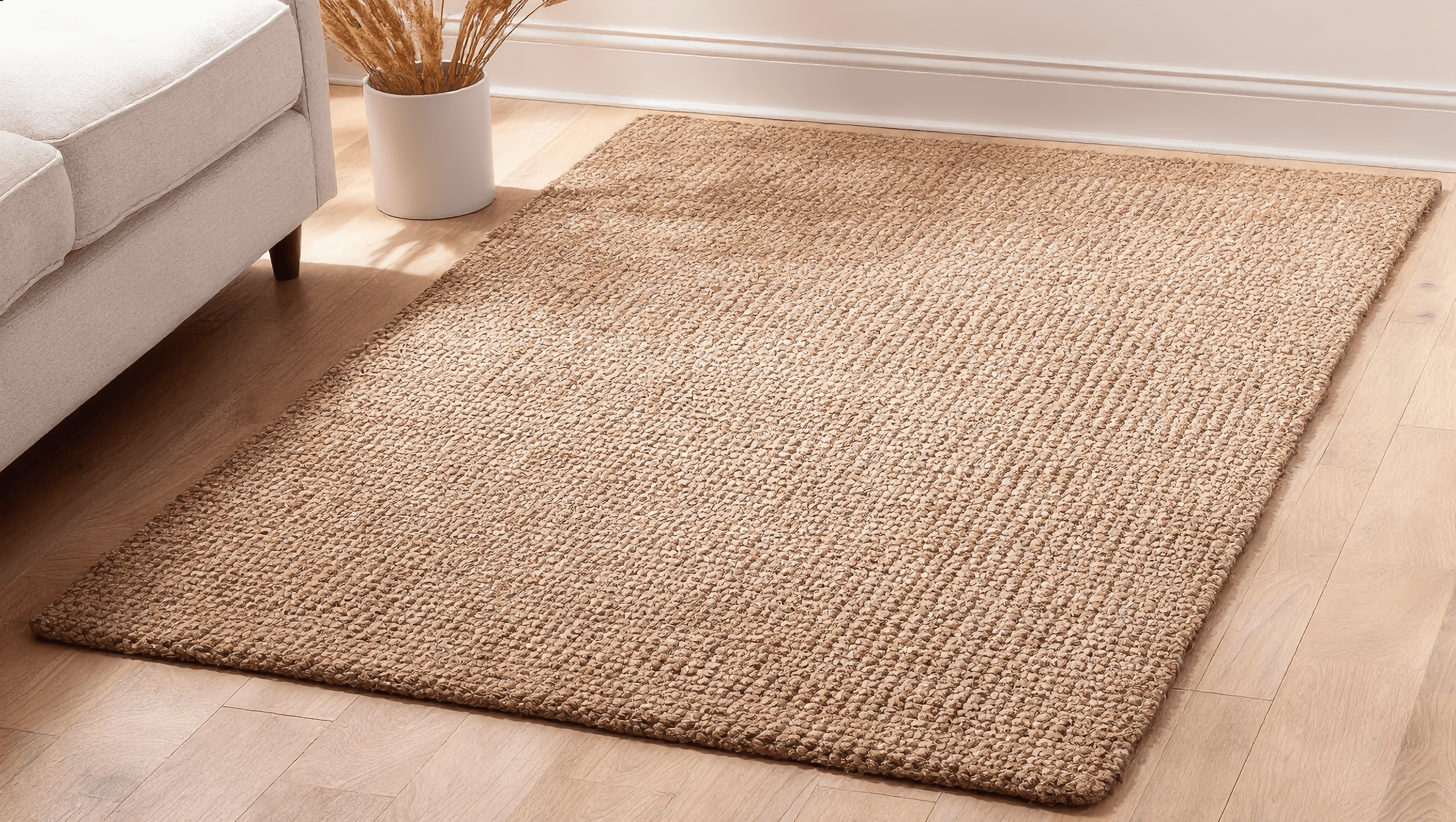
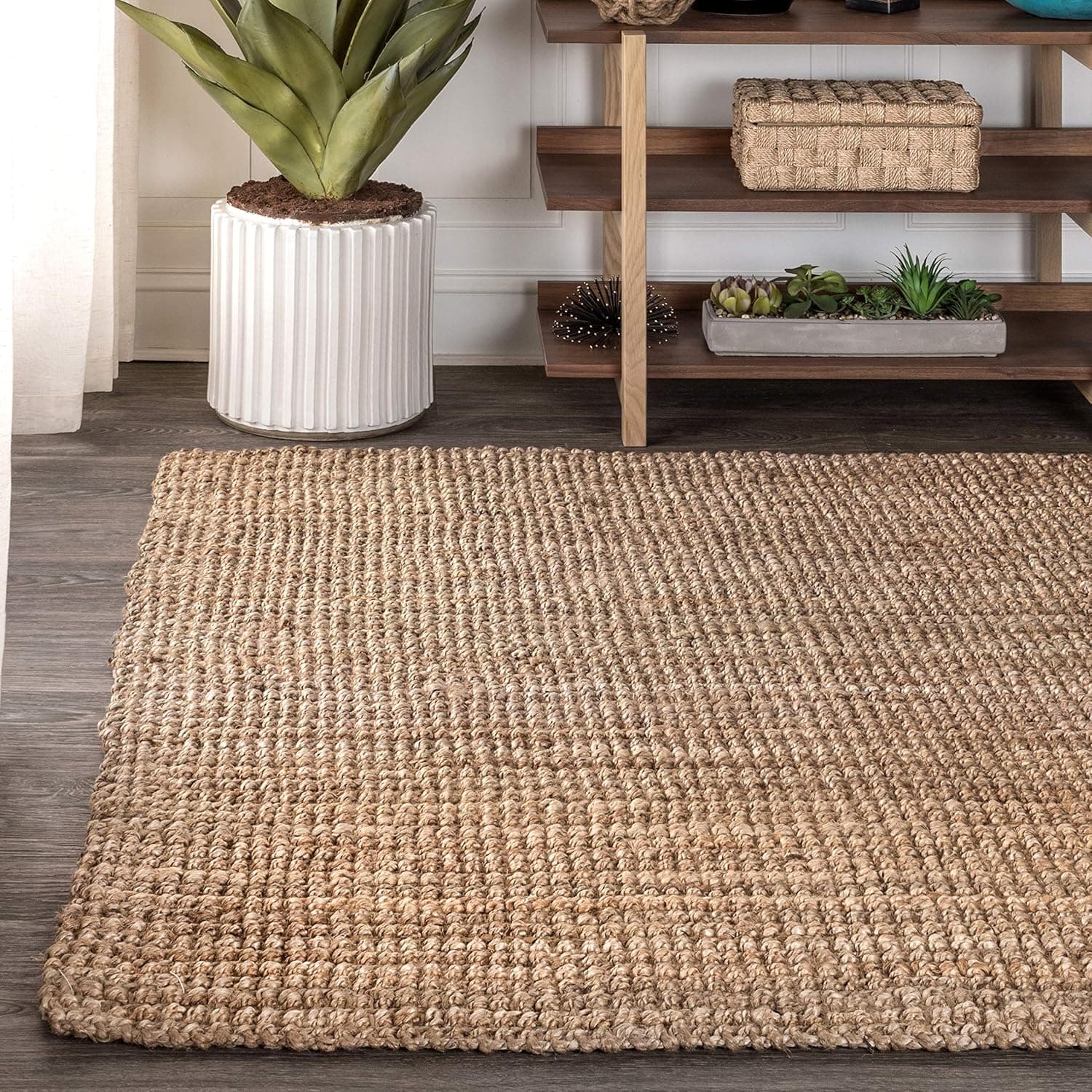
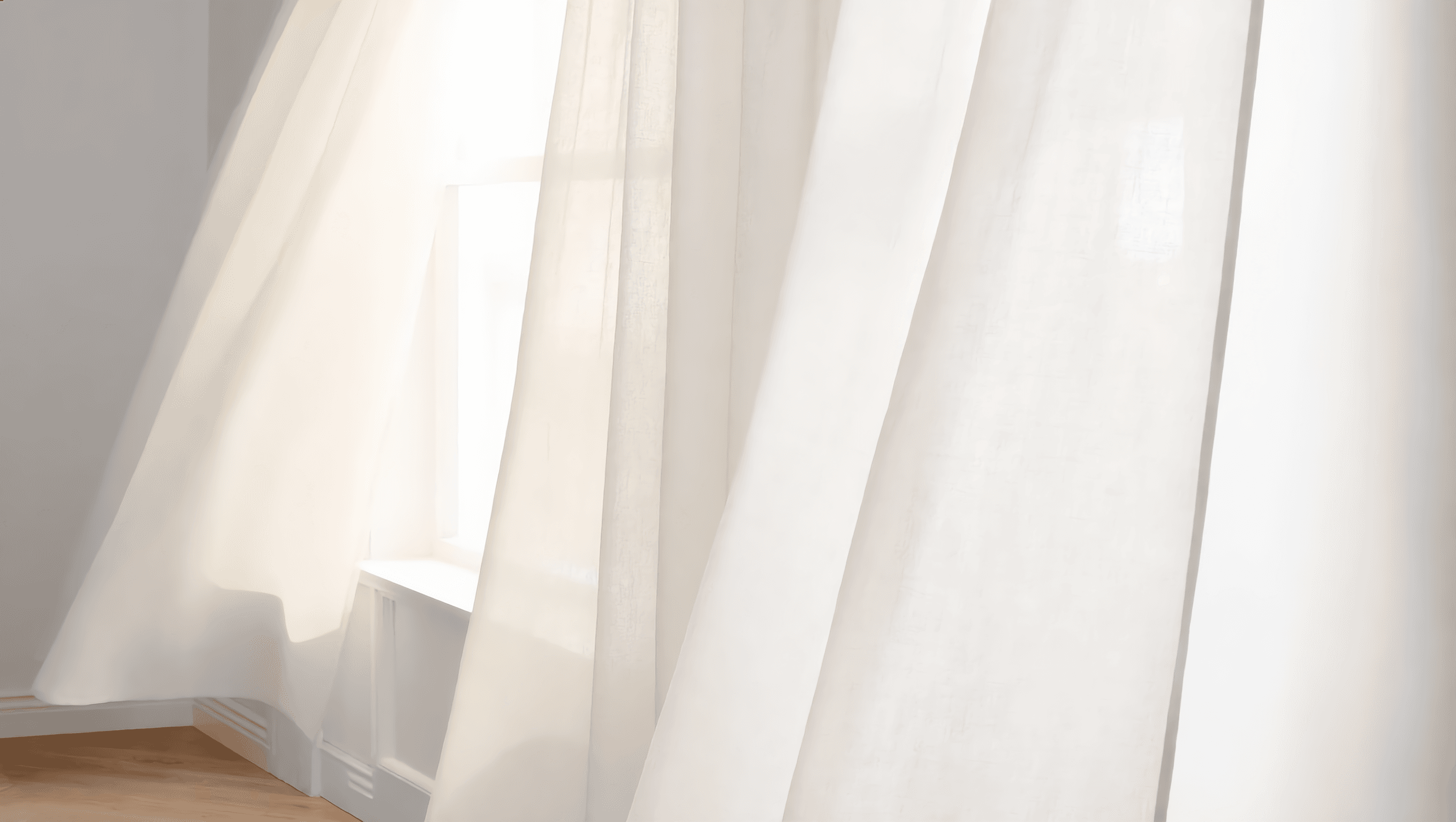
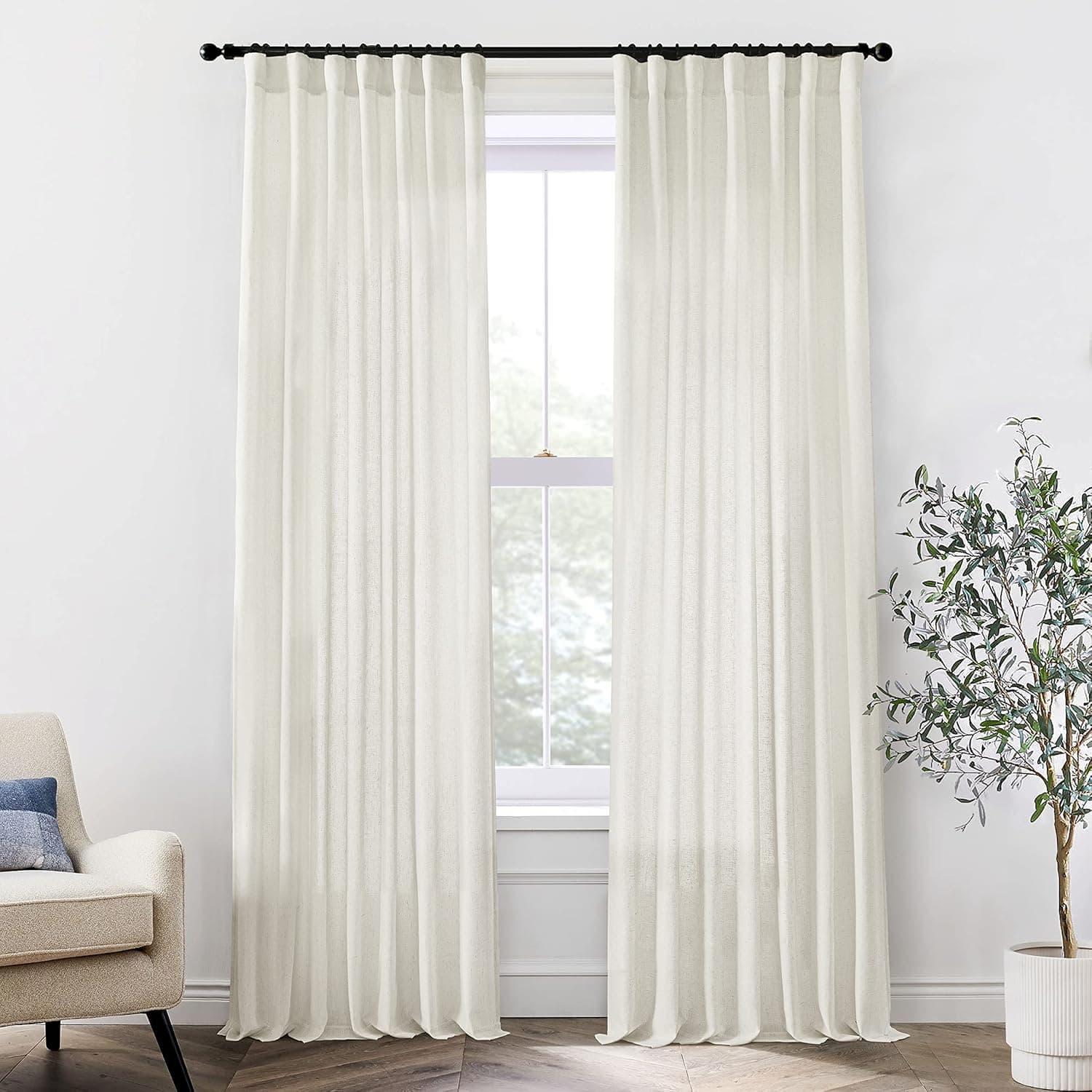
Textiles are the cheapest way to overrule a decision someone else made about your home. A jute rug covers flooring you'd never have picked and softens the sound of a room at the same time. Semi-sheer linen curtains change the light without making a room dark, and they hang four different ways, which matters when you don't get to choose the rail. Beyond that it's the soft layer: a knitted throw, a boucle cushion, a duvet cover in a color that isn't landlord white. None of it is fitted to this apartment, so all of it works in the next one.

Renting shapes what you can do to a home more than budget does. You can afford a nice lamp; what you can't do is run a cable through a wall, replace a light fitting properly, or put six screws into plasterboard you've paid a deposit against. So most rental decor advice ends up being about hiding things — cover the floor, cover the sofa, cover the wall — which is a slow way to end up in a room that feels temporary no matter how long you've lived there.
The alternative is to choose things that never needed permission in the first place. That's a real constraint, not a marketing angle, and it rules out a lot: anything hardwired, anything that needs anchors, anything cut to fit one particular window. What's left is narrower than a full catalogue but not remotely thin, because the pieces that make a room feel finished are mostly free-standing anyway. Light, storage, and texture do the work. All three can arrive in a box and leave in one.
Three things are worth doing in order. Fix the lighting first, since a single ceiling bulb flattens everything under it and two or three low warm pools do the opposite — and cordless lamps mean the light finally goes where you sit rather than where the outlet is. Then deal with storage, standing rather than mounted, because visible clutter reads as impermanence faster than any piece of furniture. Textiles come last and change the most per dollar: a rug over the flooring you inherited, curtains that filter instead of block, something with weight on the back of the sofa.
The test we apply to everything on this page is simple. Could you take it down in an evening, leave the wall the way you found it, and have it still make sense in the next place? Everything below passes. Nothing here needs a drill, a landlord conversation, or a tube of filler on the way out.
Renting is a constraint on what you can fix to the walls, not on how the room feels. The rest of the shop was chosen the same way, and most of it comes down to light, texture and storage that stands on its own. Shop all collections.